Can Tattoos Be A Work Of Art?
Tattoos have evolved far beyond their historical roots as marks of rebellion or tribal identity. Today, they stand as one of the most personal and permanent forms of artistic expression available. At ArtHouse Tattoo in Austin, we’ve witnessed this transformation firsthand over two decades—watching as society increasingly recognizes tattooing as a legitimate art form deserving of the same respect as painting, sculpture, or any traditional medium.
The question “Are tattoos art?” no longer sparks the debate it once did. Walk into any gallery opening, flip through contemporary art magazines, or browse museum exhibitions, and you’ll find tattooed bodies celebrated as living canvases. But what elevates a tattoo from mere decoration to genuine artistic expression? Let’s explore the craftsmanship, creativity, and cultural significance that position tattoos firmly within the art world.
The Historical Journey: From Ancient Practice to Contemporary Art Form
Tattooing boasts a rich history spanning millennia. Archaeological evidence reveals tattoos on mummified remains dating back over 5,000 years, discovered across cultures from ancient Egypt to Polynesian islands. These weren’t random markings—they served profound purposes as symbols of status, spiritual protection, rites of passage, and tribal affiliation.
For much of modern Western history, however, tattoos carried stigma. Associated primarily with sailors, prisoners, and counterculture movements, they existed on society’s margins. This perception began shifting dramatically in the late 20th century as tattoo artists started receiving formal art training and bringing gallery-quality techniques to their studios.
The Mainstream Acceptance Revolution
Today’s tattoo landscape bears little resemblance to the smoke-filled parlors of decades past. Professional custom tattoo studios in Austin now operate more like art galleries, where clients collaborate with artists on bespoke designs that reflect personal narratives, aesthetic preferences, and cultural heritage. This acceptance hasn’t happened by accident—it’s the result of talented artists demanding that their craft be recognized for the technical skill and creative vision it requires.
When Mike Metaxa founded ArtHouse Tattoo after working across three countries, he brought an artist’s perspective shaped by formal training in painting, sculpting, and graphic design. This multidisciplinary background exemplifies how modern tattoo artists blur the lines between traditional fine art and body art, creating work that demands respect on both technical and creative grounds.
Understanding Tattoo Styles: A Gallery of Artistic Approaches
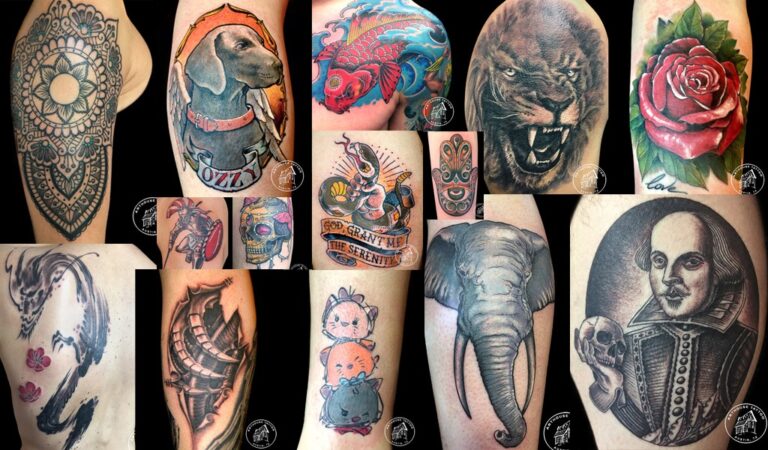
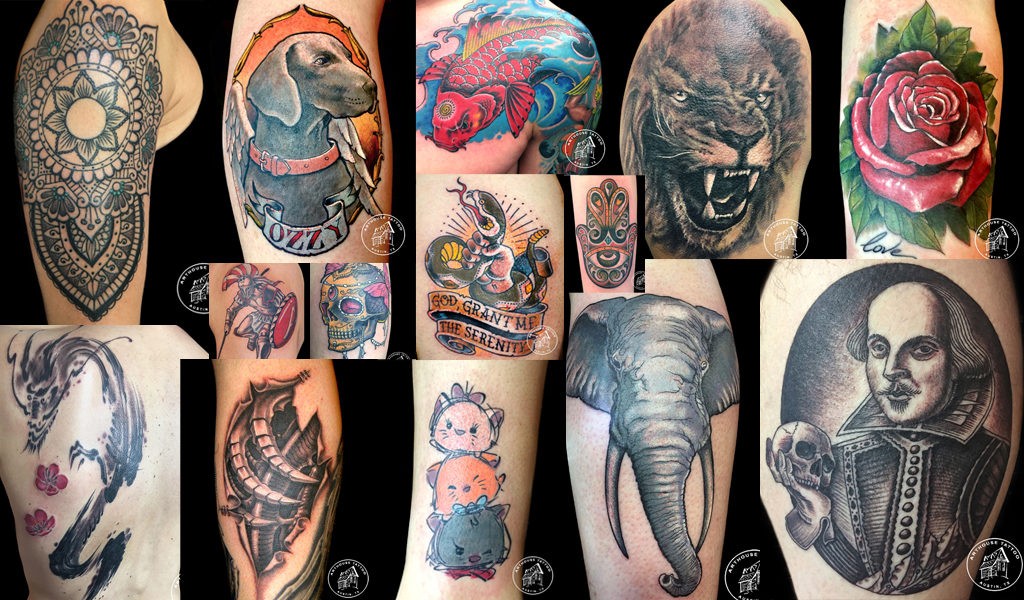
Just as painters work in different styles—impressionism, realism, abstract—tattoo artists specialize in diverse aesthetic approaches. Each style presents unique technical challenges and artistic possibilities, requiring years of practice to master.
Traditional American Tattoos: Bold Lines and Timeless Imagery
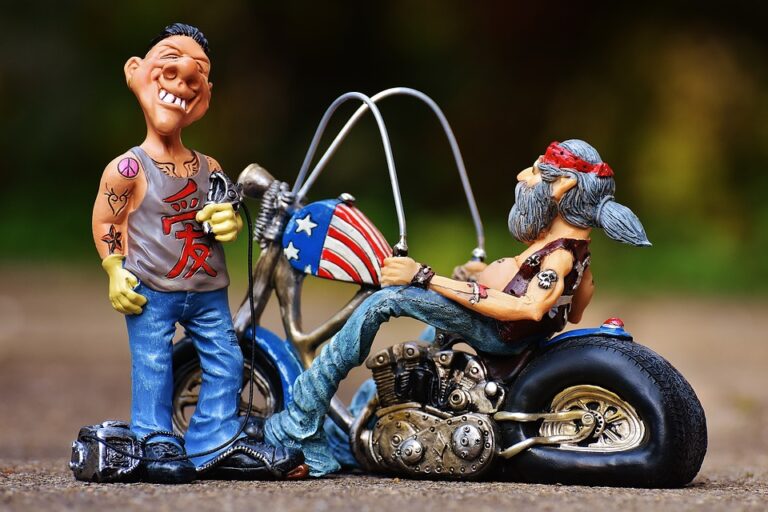
Traditional American tattoos emerged from early 20th-century parlor culture, characterized by bold black outlines, limited color palettes of reds, yellows, greens, and blues, and iconic imagery like anchors, roses, eagles, and pinup girls. Far from being simplistic, this style demands precise linework and understanding of how designs will age over decades. The bold approach ensures tattoos remain readable and vibrant long-term—a consideration that separates skilled artists from amateurs.
Japanese Tattoos: Centuries of Symbolic Storytelling
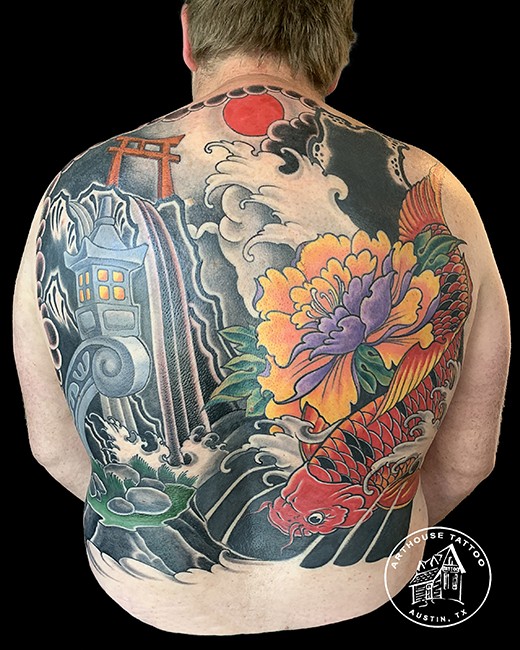
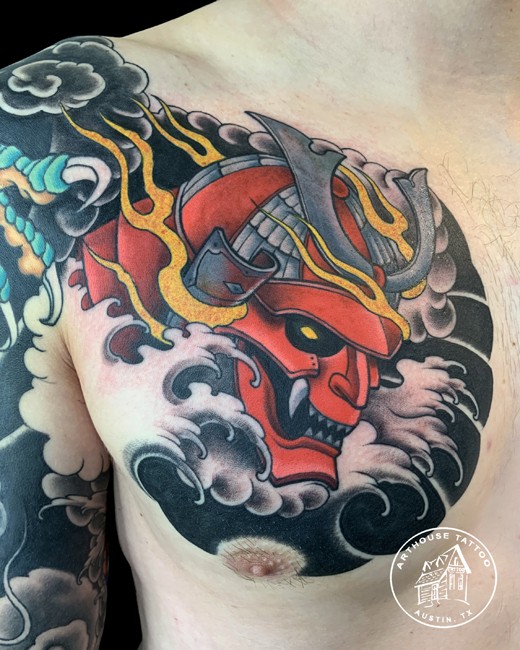
Japanese tattoo art carries one of the richest artistic traditions in tattooing. Dating back to the Edo period, this style features elaborate compositions of koi fish, dragons, cherry blossoms, waves, and mythological figures, each carrying specific cultural meanings. Creating authentic Japanese tattoos requires deep knowledge of composition rules, color theory, and symbolism—studying how elements flow across the body’s contours to create harmonious, balanced designs.
Realism and Portraiture: Photography on Skin
Realistic tattoos represent perhaps the most technically demanding style, requiring artists to translate three-dimensional subjects onto curved, living canvas. Photorealistic portraits demand mastery of shading, highlighting, proper proportions, and subtle tonal variations that create depth and dimension. When executed well, these tattoos can fool the eye from a distance—achieving a level of detail that rivals traditional portrait painting.
Illustration and Fantasy Work: Where Imagination Takes Form
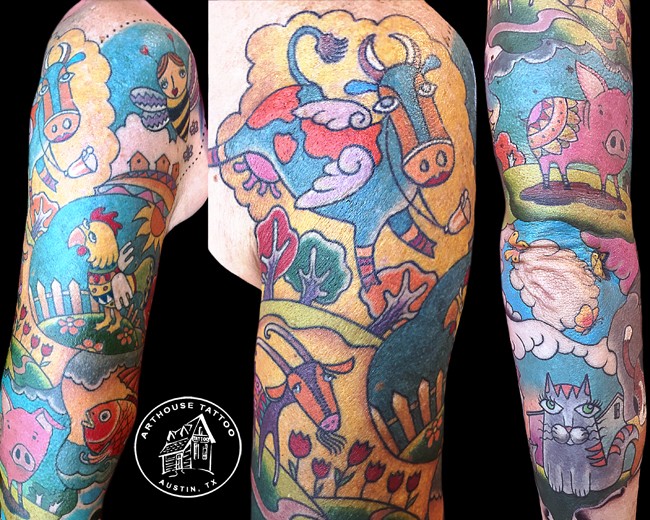
Illustration tattoos bridge the gap between traditional and contemporary approaches, often featuring stylized characters, fantastical creatures, or scenes pulled from literature, gaming, or personal imagination. This style allows artists to showcase their drawing abilities while creating narrative pieces that tell complete stories across the body’s landscape.
Cultural Styles: Honoring Heritage Through Ink
Styles like Norse tattoos and Celtic tattoos connect wearers to ancestral traditions through intricate knotwork, runes, and mythological imagery. These aren’t just decorative—they’re artistic explorations of cultural identity, requiring research and respect for the symbols’ historical significance.
The Technical Artistry Behind Every Tattoo
Understanding tattoos as art requires appreciating the unique challenges of the medium. Unlike canvas, paper, or digital screens, skin presents obstacles that demand problem-solving and adaptation.
Working with Living Canvas
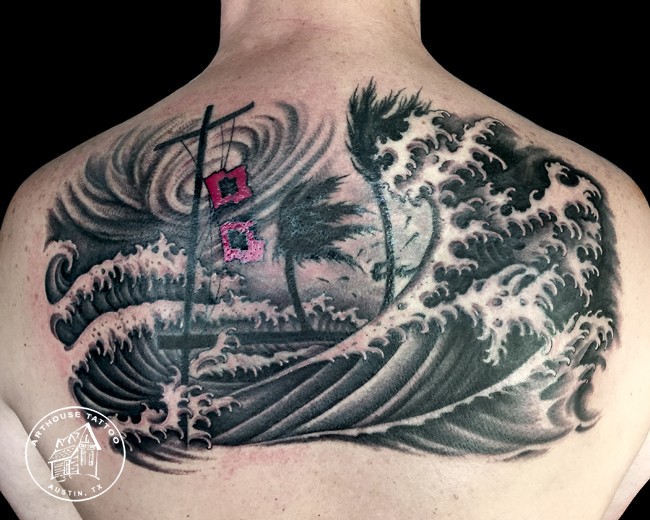
Skin breathes, stretches, ages, and heals. Tattoo artists must account for these factors when designing and executing work. Placement matters tremendously—designs must flow with the body’s natural contours and muscle structures. What looks perfect on paper may need significant adjustment to work harmoniously on a shoulder blade, ribcage, or forearm.
During your tattoo consultation, experienced artists consider how designs will move with your body, how they’ll age over time, and how they’ll integrate with your existing tattoos or future plans for larger pieces like sleeve tattoos.
Mastering Specialized Equipment
Tattoo machines represent precision instruments requiring years to master. Artists must understand needle configurations, machine voltage, hand speed, and pressure variations to achieve different effects. Some artists, like Mike Metaxa, even design and build their own custom tattoo machines—a testament to the technical expertise underlying quality tattoo work.
The relationship between artist and equipment mirrors that of a musician with their instrument. Every machine behaves differently, and skilled artists develop intimate knowledge of their tools’ capabilities and limitations.
Understanding Color Theory and Ink Behavior
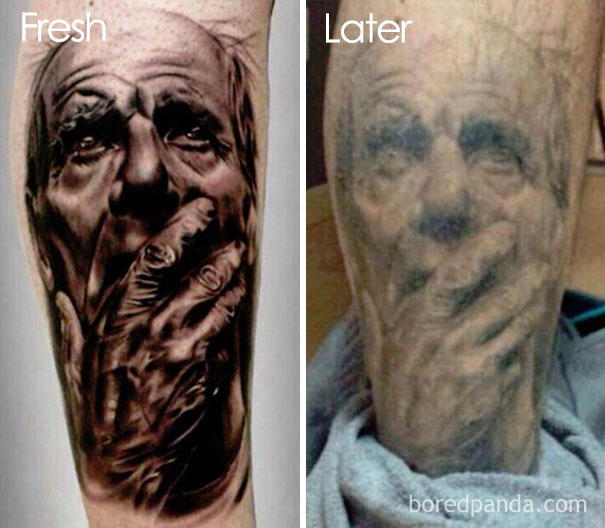
Tattoo pigments behave differently than traditional paints. Artists must understand how colors interact beneath the skin’s surface, how different skin tones affect color appearance, and how tattoos age and change over time. Black ink provides the foundation for most tattoos, but layering colors to achieve specific hues requires knowledge of pigment chemistry and healing processes.
The Collaborative Creative Process
Unlike traditional art forms where artists work in isolation, tattooing is inherently collaborative. This partnership between artist and client creates something neither could achieve alone.
From Concept to Skin: Design Development
Creating custom tattoos begins with conversation. Clients bring ideas, inspiration images, personal stories, and aesthetic preferences. Artists then translate these concepts into designs that work technically and artistically on the body. This process often involves multiple sketches, adjustments, and refinements—much like a commissioned painting.
At ArtHouse Tattoo, we approach every consultation as an artistic collaboration. We listen to what you envision, then apply our expertise to enhance those ideas, suggesting placements, sizes, style choices, and compositional elements that will create the strongest final piece.
The Art of Cover-Up Work
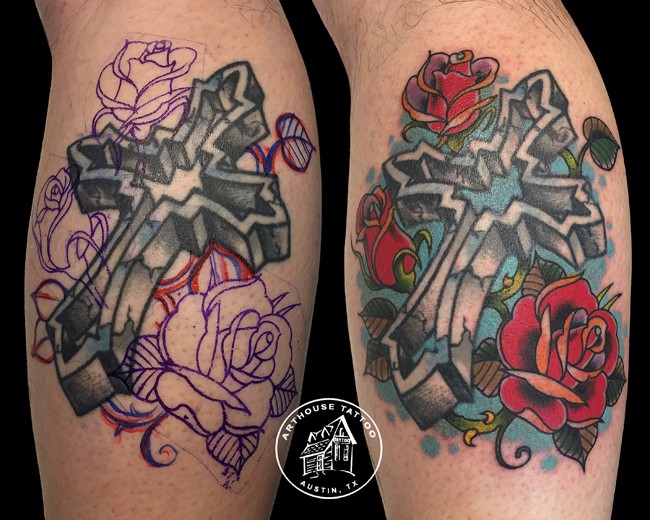
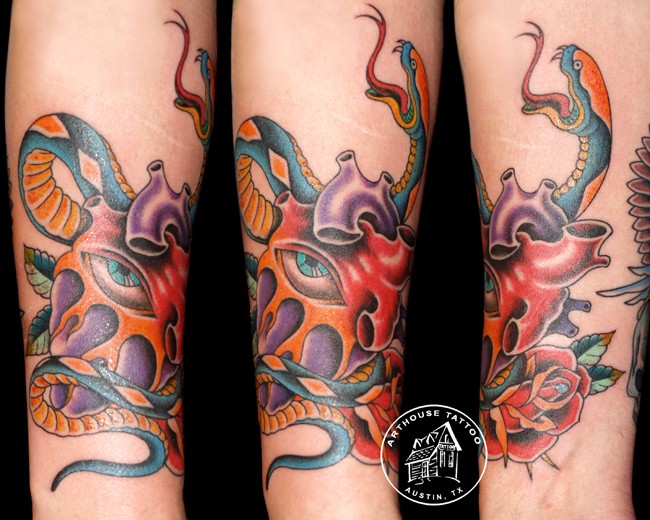
Cover-up tattoos represent some of the most challenging and creative work in tattooing. Transforming unwanted ink into beautiful new art requires problem-solving skills, compositional creativity, and technical precision. Artists must work within constraints—incorporating dark areas, working around existing lines, and creating designs that completely conceal what lies beneath while standing as strong pieces in their own right.
Why the Art World Now Embraces Tattoos
Traditional art institutions increasingly recognize tattooing’s artistic merit. Museums have hosted tattoo exhibitions, galleries represent tattoo artists, and art critics write serious analyses of tattoo work. This acceptance stems from several factors.
Technical Skill Rivals Traditional Media
The precision, color work, composition, and technical execution in top-tier tattoos match or exceed what’s found in traditional art. Photorealistic portraits, intricate mandalas, flowing Japanese compositions—these demand the same fundamental artistic skills as gallery paintings.
Personal Expression and Emotional Impact
Great art moves people emotionally and expresses something meaningful. Tattoos excel at both. They’re perhaps the most personal art form—literally worn on the body, connected to individual stories, memories, beliefs, and identities. This intimacy creates powerful emotional resonance.
Cultural Significance and Social Commentary
Tattoos reflect and shape culture. They document social movements, challenge norms, preserve traditions, and push boundaries. Like all great art, they spark conversations about identity, beauty, permanence, and what it means to mark our place in the world.
The Permanence Factor: Art That Lives With You
Perhaps what most distinguishes tattoos from other art forms is their permanence. This isn’t art you can sell, store in a closet, or change with your décor. It lives with you, ages with you, becomes part of your physical being.
This permanence raises the stakes for both artist and client. There’s no room for casual execution or thoughtless design. Every element must be considered carefully because the art will accompany you for life. This seriousness of purpose—this commitment to creating something lasting—aligns tattooing with humanity’s oldest artistic traditions of creating meaningful objects that endure.
Tattoos as Wearable Art: The Living Gallery
Your body becomes a curated collection, a personal gallery that tells your story through carefully chosen pieces. Some people develop cohesive themes across multiple tattoos, creating full-body art projects that rival any museum installation. Others collect diverse styles and subjects, each piece representing a different chapter or aspect of their life.
This concept of the body as gallery elevates tattooing beyond decoration into curatorial art practice. Choosing what art to wear, where to place it, how pieces relate to each other—these are artistic decisions that shape how you present yourself to the world.
Conclusion: Celebrating Tattoos as Legitimate Art
Tattoos have earned their place in the art world through undeniable technical skill, creative vision, cultural significance, and emotional impact. From traditional styles preserving centuries of artistic heritage to cutting-edge contemporary approaches pushing boundaries, tattooing encompasses the full spectrum of artistic expression.
At ArtHouse Tattoo, we’ve always approached our work with the seriousness and dedication it deserves—treating every tattoo as a permanent work of art and every client as a collaborator in creating something meaningful. We believe this artistic approach elevates the entire practice, benefiting both artists and clients by ensuring work that stands the test of time.
Whether you’re considering your first tattoo or adding to an existing collection, remember that you’re participating in an ancient and evolving art form. Choose your artist carefully, invest time in the design process, and commit to creating something you’ll be proud to wear for life. When approached with artistic integrity, tattoos become more than decoration—they become personal masterpieces that celebrate both the art form and the individual wearing it.
Ready to explore how we can create custom artwork designed specifically for your body? Contact ArtHouse Tattoo to schedule your free consultation and start your journey toward wearable art that truly reflects who you are.
Frequently Asked Questions
What makes tattoos a legitimate art form?
Tattoos qualify as legitimate art because they require the same fundamental skills as traditional art forms—composition, color theory, technical precision, and creative vision. Professional tattoo artists often have formal fine arts training and spend years mastering their craft. The technical challenges of working on living canvas, combined with the personal expression and cultural significance of tattoos, position them firmly within the broader art world.
How do tattoo artists develop their artistic skills?
Most professional tattoo artists train through apprenticeships lasting 2-5 years, learning technique, safety protocols, and artistic principles under experienced mentors. Many also have formal art education in drawing, painting, or graphic design. Continuous practice and specialization in specific styles help artists refine their skills over decades, with some eventually developing signature approaches that distinguish their work.
Why are some tattoo styles more expensive than others?
Pricing reflects the time, skill level, and complexity required for different styles. Photorealistic portraits and detailed Japanese work demand more hours and higher technical proficiency than simpler designs. Artists who’ve mastered challenging styles through years of practice command higher rates. Custom design work also costs more than flash pieces because it includes the artistic development process before tattooing begins.
Can any tattoo artist work in any style?
While skilled artists understand fundamental principles applicable across styles, most specialize in specific approaches where they’ve developed expertise. A traditional American specialist may not be the best choice for delicate watercolor work, just as a portrait specialist might not focus on tribal designs. Choosing an artist whose portfolio demonstrates strength in your preferred style ensures the best artistic results.
How important is the consultation process for custom tattoo art?
Consultations are essential for creating quality custom work. They allow artists to understand your vision, suggest improvements based on technical expertise, discuss placement and sizing, and develop designs that work artistically on your specific body. This collaborative process ensures the final piece meets both your expectations and professional artistic standards. At ArtHouse Tattoo, we offer free consultations because we believe this planning phase determines the success of every custom piece.
Do tattoos require the same artistic planning as traditional paintings?
Custom tattoos often require more planning than traditional paintings because of the permanent nature and unique challenges of skin as canvas. Artists must consider how designs flow with body contours, how they’ll age over time, how colors will heal, and how pieces integrate with existing or future tattoos. This additional complexity makes the pre-work phase crucial for artistic success.
How do cover-up tattoos demonstrate artistic creativity?
Cover-up work represents some of the most creative problem-solving in tattooing. Artists must design new pieces that completely conceal existing tattoos while working within constraints of dark areas and previous linework. This requires strong compositional skills, technical precision, and creative vision to transform unwanted ink into beautiful new art that stands on its own merits while cleverly incorporating what lies beneath.