How Tattoos Age: What to Expect from Your Ink Over 20+ Years
Understanding how tattoos age helps you make informed decisions about placement, style, and long-term care for your body art. We’ve witnessed firsthand how different factors influence tattoo longevity and the natural aging process that affects all ink over time.
Every tattoo will change as it ages, but the extent and nature of these changes depend on numerous factors including initial quality, placement, aftercare, and lifestyle choices. At Arthouse, we believe that tattoos executed with proper technique and premium materials age gracefully, developing a natural patina that can enhance rather than detract from the original design.
The key to understanding tattoo aging lies in recognizing that some changes are natural and expected, while others indicate problems that require professional attention!

The Natural Tattoo Aging Process
Tattoo aging begins immediately after the healing process completes, though the most noticeable changes typically occur over years rather than months. Understanding this timeline helps set realistic expectations for how your tattoo will evolve throughout your lifetime.
During the first year, properly healed tattoos settle into their permanent appearance as the skin fully integrates the ink. Colors may appear slightly less vibrant than when fresh, but this settling process is normal and expected. High-quality tattoos maintain excellent definition and color saturation during this initial period.
Between years two and five, subtle changes become more apparent. Fine lines may soften slightly, and colors begin their gradual evolution. These changes are typically minimal in well-executed tattoos, but become more pronounced in work that was poorly executed or inadequately cared for initially.
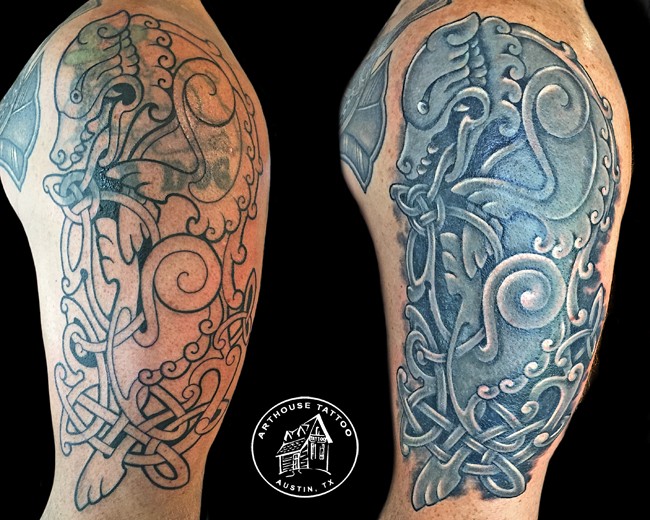
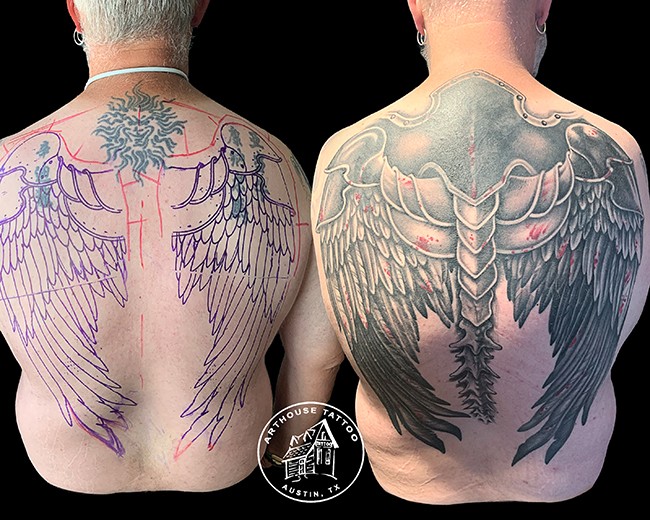
The five to ten-year mark represents a critical period where the quality of the original work becomes most apparent. Professional tattoos with proper line weight, appropriate color saturation, and skilled execution continue to look excellent, while inferior work may show significant deterioration requiring cover-up solutions or extensive touch-up work.
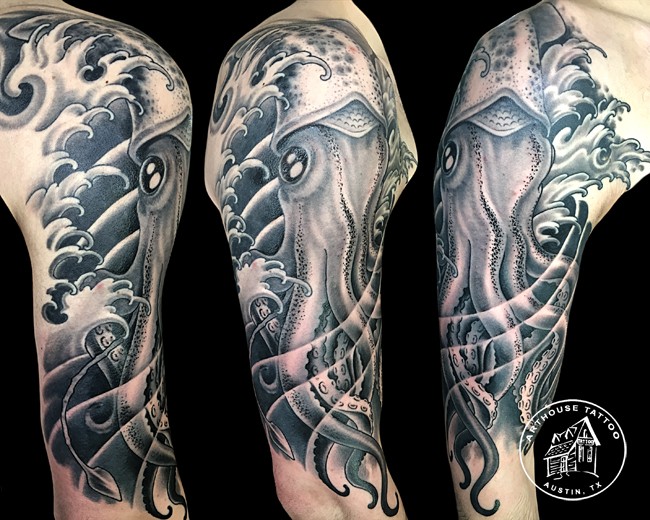
After ten years, even the highest quality tattoos show some signs of aging, but these changes should enhance rather than detract from the overall appearance. Properly aged tattoos develop character and depth that can actually improve their aesthetic appeal when the original work was executed with longevity in mind.

Factors That Influence Aging Speed
Multiple variables affect how quickly and dramatically tattoos age. Sun exposure represents the most significant accelerating factor, with UV radiation breaking down tattoo pigments and causing uneven fading patterns. Areas regularly exposed to sunlight age much faster than protected regions.
Skin type and natural aging processes play crucial roles in tattoo longevity. Individuals with naturally elastic skin that ages slowly tend to maintain tattoo quality longer, while those with skin that loses elasticity quickly may see more dramatic changes in their tattoos’ appearance.
How Different Tattoo Styles Age
Various tattoo styles age differently due to their inherent characteristics, line weights, and color applications. Understanding these differences helps explain why certain styles remain popular and why experienced artists recommend specific approaches for long-term satisfaction.
Traditional American tattoos age exceptionally well due to their bold lines, solid color blocks, and high contrast designs. The thick outlines maintain definition even as they soften slightly, while the limited color palette typically ages uniformly. These design principles were developed specifically to ensure longevity, making traditional work an excellent choice for clients prioritizing long-term appearance.
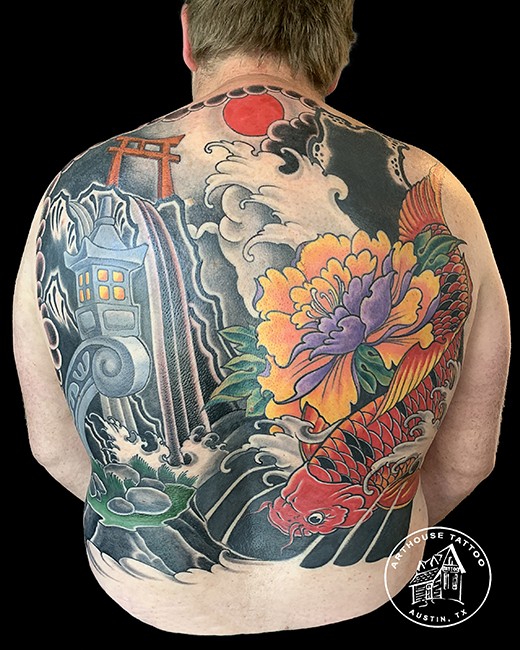
Japanese traditional tattoos also demonstrate excellent aging characteristics, with their bold imagery, strong contrast, and time-tested color combinations. The large-scale nature of most Japanese work allows for natural aging without losing impact or readability. Our experience with Japanese tattoo styles confirms their reputation for graceful aging.
Fine line and delicate tattoos present more challenges as they age. Thin lines may blur or fade more quickly than bold work, and intricate details can become less distinct over time. While these styles can age beautifully when executed properly, they require more careful consideration of placement and may need touch-up work sooner than bolder designs.
Realistic and photorealistic tattoos age variably depending on their execution and subject matter. High-contrast realistic work with strong value ranges tends to age better than pieces relying heavily on subtle gradations. The complexity of realistic work makes aging patterns less predictable, requiring exceptional initial execution to ensure long-term satisfaction.
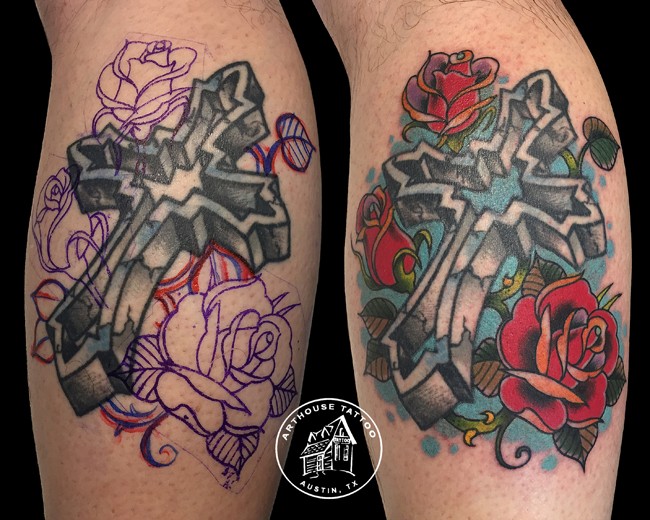
Color vs. Black and Grey Aging Patterns
Color tattoos and black and grey work age differently due to the varying stability of different pigments. Black ink, being the most stable and longest-lasting pigment, typically maintains its intensity longer than colored inks. This stability explains why black and grey tattoos often age more predictably than color work.
Different colored inks fade at varying rates, with reds and yellows typically showing changes first, followed by blues and greens. Purple and orange pigments fall somewhere in the middle range. Understanding these patterns helps explain why some color tattoos develop an uneven appearance over time if not properly planned and executed.
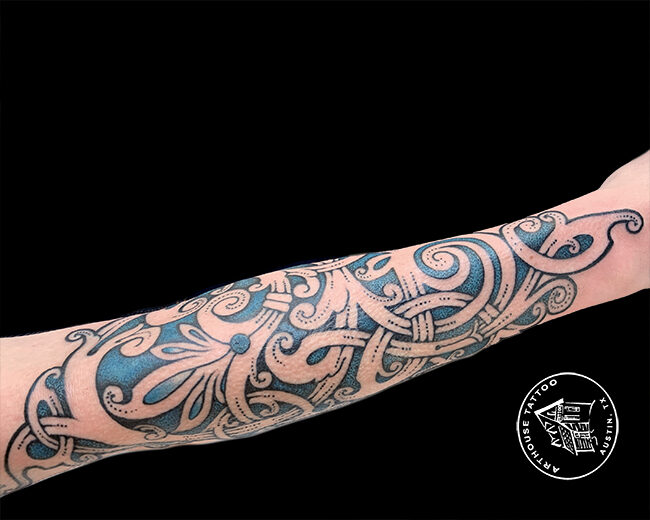
Placement and Aging Considerations
Tattoo placement significantly influences aging patterns due to varying skin characteristics, sun exposure, and movement patterns across different body areas. Choosing appropriate placement for your desired design helps ensure optimal long-term results.
Areas with thicker, more stable skin typically age tattoos more slowly and evenly. The upper arm, back, and chest represent ideal locations for tattoos intended to maintain their appearance over decades. These areas experience less stretching, receive less sun exposure when clothed, and have skin characteristics that support long-term tattoo integrity.
Sleeve tattoos age variably depending on their specific placement within the arm. Upper arm portions typically age better than forearm sections due to reduced sun exposure and skin movement. The inner arm generally maintains tattoo quality longer than outer areas that receive more environmental exposure.
Hand and finger tattoos face unique aging challenges due to constant use, frequent washing, and high sun exposure. The skin on hands naturally regenerates more quickly than other areas, leading to faster fading and potential distortion. While hand tattoos can be maintained with regular touch-ups, clients should understand the ongoing maintenance requirements.
Foot tattoos encounter similar challenges to hand work, with the added stress of footwear friction and weight-bearing pressure. The skin on feet also tends to be thicker and less receptive to ink retention, making foot tattoos more prone to fading and requiring more frequent maintenance.

Signs of Healthy vs. Problematic Aging
Distinguishing between normal aging and problematic changes helps determine when professional intervention might be beneficial. Understanding these differences prevents unnecessary concern about natural aging while identifying issues that require attention.
Healthy aging typically involves gradual, uniform changes that maintain the tattoo’s overall integrity and readability. Colors may become slightly less vibrant, and lines may soften marginally, but the design remains clear and visually appealing. This natural patina often adds character and depth to well-executed tattoos.
Problematic aging manifests as uneven fading, significant line blurring, or color shifts that compromise the tattoo’s appearance. These issues often result from poor initial execution, inadequate aftercare, or excessive environmental damage. When aging becomes problematic, professional assessment can determine the best corrective approach.
Blowouts, where ink spreads beyond the intended lines, become more apparent as tattoos age. While minor blowouts may be acceptable in certain styles, significant spreading can compromise the tattoo’s appearance and may require corrective work. Professional artists can assess whether blowouts will become problematic over time.
Scarring or raised areas within tattoos can affect aging patterns and may indicate healing complications or technique issues. These areas often age differently than surrounding skin and may require special attention during touch-up procedures.
The ArtHouse Perspective on Tattoo Aging
In the end, every tattoo tells a story not just when it’s freshly inked, but also as it matures with you over the years.
By understanding how tattoos age, you can make smarter choices about placement, style, and care, ensuring your artwork remains a source of pride for decades to come. At ArtHouse, we design with longevity in mind—combining expert technique, premium materials, and thoughtful artistry to create tattoos that stand the test of time.
Our 20+ years of experience tattooing clients across different cultures and climates provides unique insights into how various factors influence tattoo aging. This extensive experience informs our approach to design, technique, and client education about long-term tattoo care!
Thank you so much for reading our blog! If you’re ready to start your next piece or want advice on how to keep your existing tattoos looking their best, book a consultation with us today and let’s create something that will age beautifully with you!
Frequently Asked Questions About Tattoo Aging
How long do tattoos typically last before needing touch-ups?
Well-executed tattoos can maintain excellent appearance for 10-15 years or longer before requiring significant touch-up work. Minor touch-ups might be beneficial after 5-7 years depending on placement, style, and care. The timeline varies significantly based on initial quality, placement, and individual factors.
Do all tattoo colors fade at the same rate?
No, different pigments fade at varying rates. Black ink is most stable and long-lasting, while reds and yellows typically show changes first. Blues and greens fall in the middle range, with purple and orange showing moderate stability. Understanding these patterns helps explain color shifts over time.
Can sun damage to tattoos be reversed?
While sun damage cannot be completely reversed, professional touch-up work can restore much of a tattoo’s original appearance. Prevention through consistent sun protection is far more effective than attempting to repair damage after it occurs. Early intervention provides the best results for sun-damaged tattoos.
How does weight change affect tattoo appearance?
Significant weight fluctuations can distort tattoo appearance, particularly in areas prone to expansion like the stomach, hips, and thighs. Gradual changes typically have less impact than rapid fluctuations. Discussing potential body changes during consultation helps ensure appropriate design and placement choices.
Are there tattoo styles that age better than others?
Traditional styles with bold lines and solid colors typically age most gracefully. Japanese traditional, American traditional, and bold tribal work maintain their appearance longer than fine line or highly detailed realistic pieces. However, any style can age well when executed properly with longevity considerations.
When should I be concerned about how my tattoo is aging?
Concerning signs include rapid or uneven fading, significant line blurring, color shifts that compromise the design, or development of raised or scarred areas. If aging seems accelerated or problematic compared to the tattoo’s age, professional assessment can determine if intervention is needed.
Can old tattoos be refreshed without complete cover-ups?
Many aged tattoos can be successfully refreshed through professional touch-up work that restores colors, sharpens lines, and enhances overall appearance. Complete cover-ups are only necessary when the original work is severely compromised or the client desires a completely different design.
Understanding how tattoos age empowers you to make informed decisions about design, placement, and care that ensure your body art remains beautiful throughout your lifetime. At ArtHouse Tattoo, our decades of experience with tattoo aging inform every aspect of our work, from initial design through long-term maintenance. Contact us for a consultation to discuss how we can create tattoos designed to age gracefully while reflecting your personal style and vision.