How to Choose Between Black & Grey and Color Tattoos
The decision between black and grey or color tattoos ranks among the most significant choices you’ll make before getting inked. This isn’t just about aesthetics—your choice affects longevity, maintenance requirements, healing time, and ultimately how satisfied you’ll be with your tattoo years down the road.
After two decades of creating custom tattoos in Austin, I’ve guided hundreds of clients through this exact decision. Some arrive certain they want vibrant color, only to realize black and grey better suits their vision. Others assume black and grey is the “safe” choice, then discover that color brings their concept to life in ways they never imagined.
The truth? There’s no universal answer.
Both approaches offer distinct advantages, and understanding these differences empowers you to make an informed choice that aligns with your personal style, skin tone, design concept, and lifestyle. Let’s explore what sets these two tattoo styles apart and how to determine which one’s right for you.
The Timeless Appeal of Black and Grey Tattoos
Black and grey tattoos have dominated the tattoo landscape for decades, and for good reason.
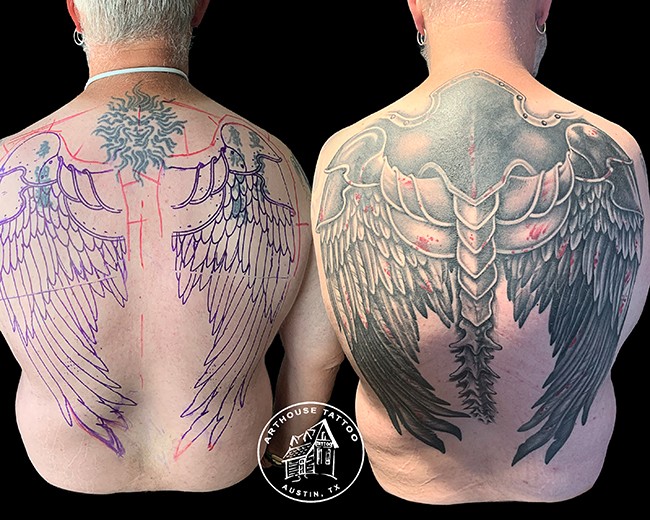
Working exclusively with black ink and dilutions to create varying shades of grey, this technique produces stunning depth and dimension through expert shading alone.
The longevity advantage is real. Black ink contains carbon-based pigments that remain remarkably stable in skin over time. While all tattoos experience some fading, black and grey pieces typically maintain their clarity and contrast far longer than color work. The high contrast between pure black and your natural skin tone creates visual impact that withstands the test of time.
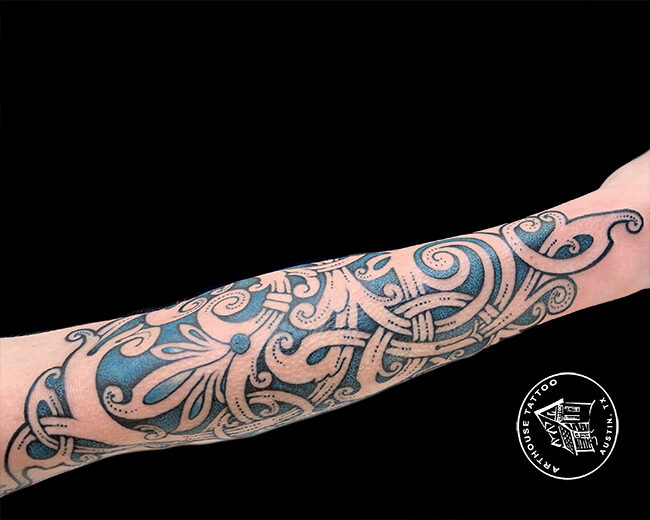
This style excels in particular applications. Realism portraits achieve photographic quality through careful gradation and tonal work. Tribal designs gain power from bold black shapes and negative space. Geometric patterns create mesmerizing optical effects with crisp black lines and strategic shading. The minimalist aesthetic appeals to those seeking sophisticated, understated body art.
From a practical standpoint, black and grey tattoos often heal faster and require fewer needle passes. This typically translates to shorter session times and less discomfort during the tattooing process—factors worth considering for your first tattoo or if you have low pain tolerance!
The Vibrant World of Color Tattoos
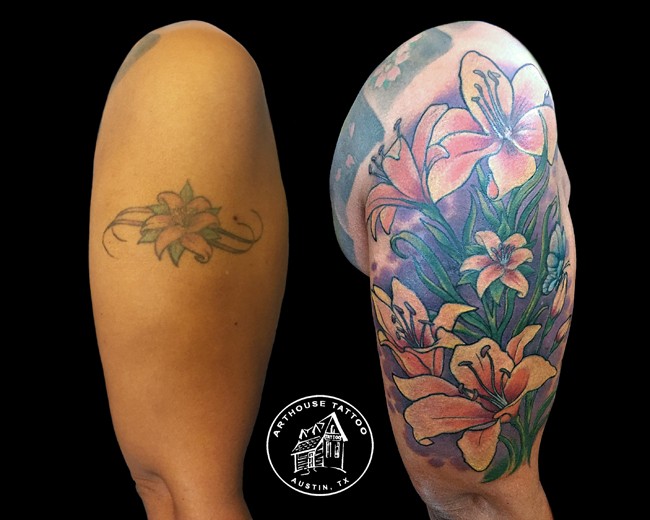
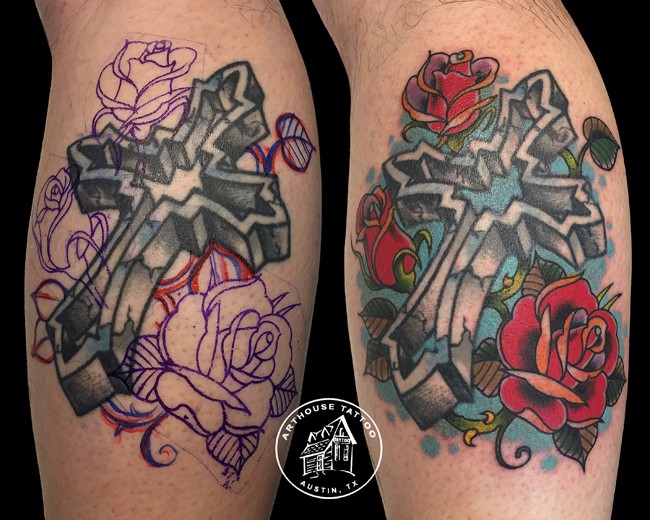
Color tattoos offer an entirely different creative playground. The modern tattoo ink palette spans hundreds of hues, from subtle pastels to neon brights, enabling artists to recreate virtually any visual concept with stunning accuracy.
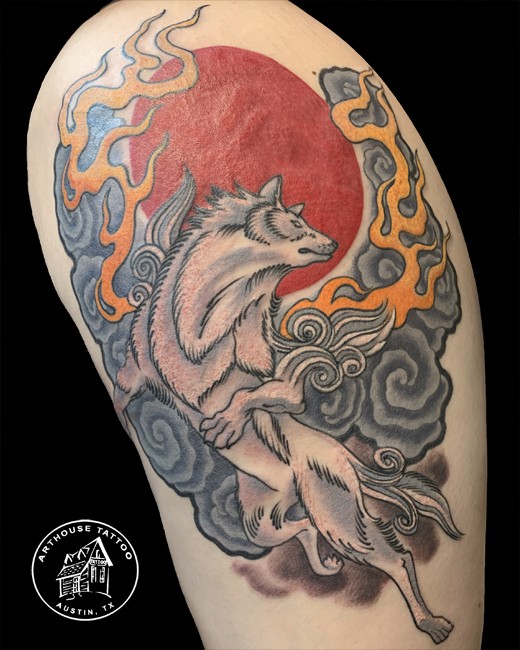
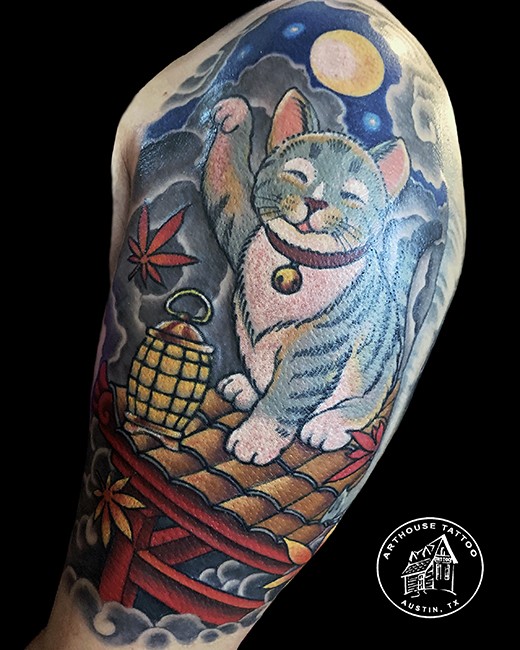
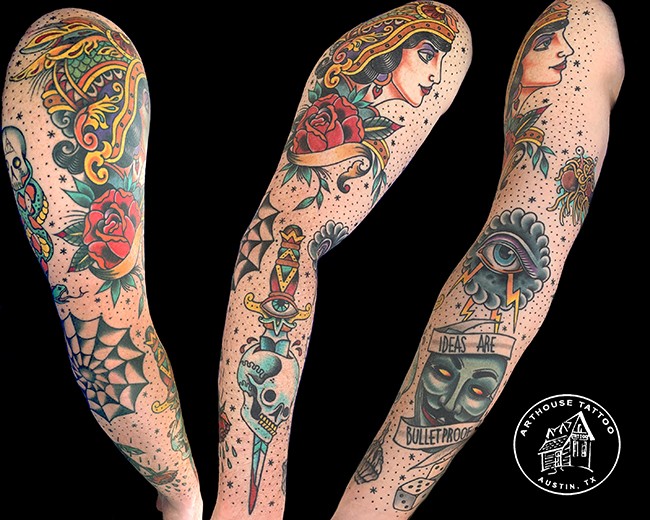
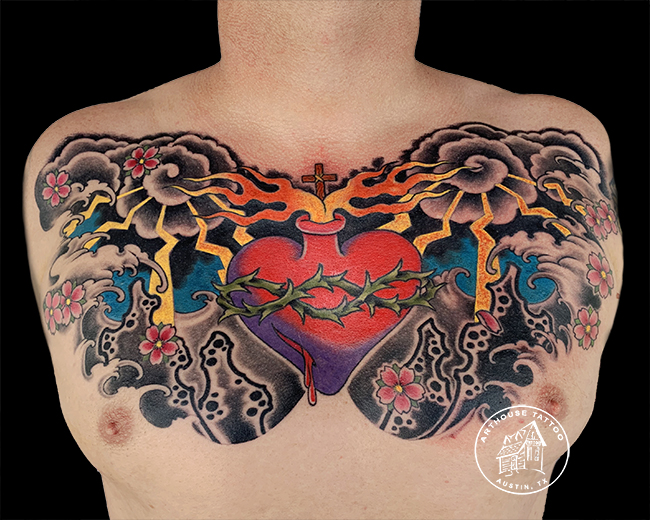
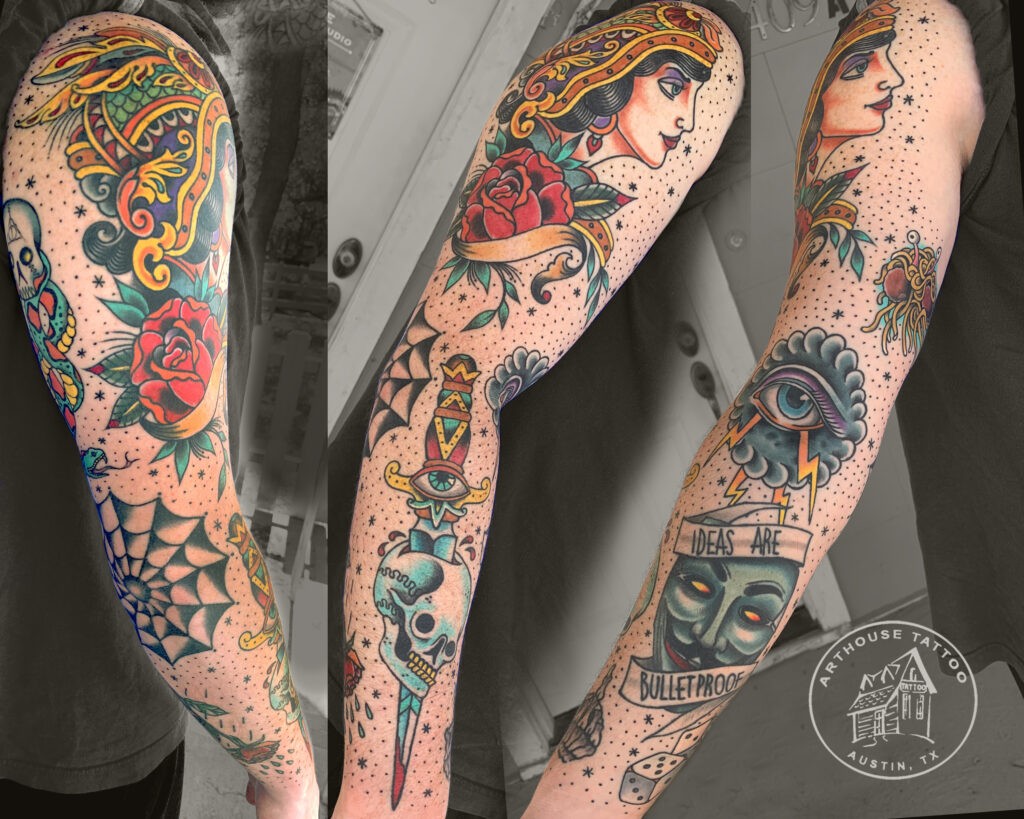
Certain tattoo styles practically demand color to reach their full potential. Japanese traditional work relies on rich reds, deep blues, and golden yellows to honor centuries of artistic tradition. American traditional tattoos built their legacy on bold primary colors with strong black outlines. Watercolor techniques use delicate color washes and bleeding effects that simply can’t be replicated in greyscale. Illustrative styles often benefit from the expanded visual vocabulary that color provides.
The emotional impact of color shouldn’t be underestimated. A sunset rendered in oranges, pinks, and purples carries different weight than the same scene in black and grey. Memorial pieces incorporating a loved one’s favorite colors add personal meaning. Nature scenes burst with life when executed with accurate botanical colors.
However, color tattoos demand more from both artist and client. Multiple ink colors require additional needle passes, extending session times. The healing process can be more complex, as different pigments may respond differently in your skin. Sun exposure poses a greater threat to color vibrancy, making diligent sunscreen use essential. Touch-ups become more critical over time to maintain that initial brilliance.
Key Factors That Should Influence Your Decision
Your Skin Tone Matters
Skin tone significantly impacts how tattoo ink appears.
On lighter skin, both black and grey and color tattoos show excellent contrast and vibrancy. The lighter canvas allows subtle grey tones to register clearly and enables bright colors to pop with maximum intensity.
Medium to darker skin tones present different considerations. Black and grey work maintains strong contrast and visibility across all skin tones. Color tattoos on darker skin often benefit from bolder, more saturated pigments—think deep jewel tones rather than pastels. Experienced tattoo artists understand how to select colors that complement your natural skin tone rather than fighting against it.
Design and Placement Considerations
Some designs naturally lend themselves to one approach or the other. Delicate script, fine-line work, and minimalist designs typically work best in black and grey. The high contrast ensures readability even as the tattoo settles into your skin over time.
Placement also plays a role in color longevity. Areas with frequent sun exposure—hands, feet, forearms—will see more color fading over time. Areas typically covered by clothing preserve color vibrancy better. If you’re considering a sleeve tattoo that will be visible year-round, factor in the maintenance commitment required for color work.
Your Personal Style and Aesthetic
Consider your wardrobe, your personal aesthetic, and how you want your tattoo to integrate with your overall presentation.
Black and grey tattoos offer versatility—they complement virtually any style and won’t clash with your clothing choices. Color tattoos make a bolder statement and work best when you’re comfortable drawing that level of attention. They can become a focal point of your personal style. Think about whether you prefer timeless elegance or eye-catching vibrancy, and let that guide your choice.
Maintenance and Lifestyle Factors
Be honest about your lifestyle. Do you spend significant time outdoors? Are you diligent about applying sunscreen? Will you commit to regular touch-ups to maintain color vibrancy?
Black and grey tattoos require less ongoing maintenance, making them practical for those with active outdoor lifestyles or minimal beauty routines.
Budget considerations matter too. Color tattoos often cost more initially due to longer session times and the need for multiple ink colors. They also require more frequent aftercare attention and potentially more touch-ups over the years, adding to the long-term investment.

Making Your Final Decision
Here’s my honest recommendation after years of creating both types of tattoos: bring your concept to a professional consultation rather than deciding in isolation. What looks perfect in your mind might benefit from an experienced artist’s perspective!
During your free consultation at our Austin studio, we’ll discuss your design concept, examine your skin tone, review placement options, and provide honest feedback about whether color or black and grey will best serve your vision. Sometimes we’ll suggest a hybrid approach—strategic use of color accent within a predominantly black and grey piece, for example.
Ready to explore your options? Contact us today for a free consultation where we’ll discuss your concept, review design possibilities in both color and black and grey, and help you make the confident decision that results in a tattoo you’ll love forever.
Frequently Asked Questions
Do black and grey tattoos hurt less than color tattoos?
Black and grey tattoos often require fewer needle passes, which can result in shorter sessions and potentially less overall discomfort. Color tattoos typically take longer since the artist needs to work with multiple ink colors and may need to go over the same area multiple times to achieve proper saturation. However, pain tolerance is highly individual, and placement matters more than color choice for most people.
Will my color tattoo fade quickly?
Color tattoos do fade faster than black and grey work, but the rate depends on multiple factors including ink quality, your skin type, sun exposure, and how well you follow aftercare instructions. With proper care—including consistent sunscreen use and avoiding prolonged sun exposure—color tattoos can maintain their vibrancy for many years before needing touch-ups.
Can I add color to a black and grey tattoo later?
Yes, it’s possible to add color to an existing black and grey tattoo in most cases. This is actually a popular choice for people who want to test out a design in black and grey first, then add color elements later. Your tattoo artist can advise whether your specific piece is a good candidate for color addition based on the existing design and ink saturation.
Are certain tattoo styles better suited to black and grey or color?
Absolutely. Realism portraits, tribal work, geometric designs, and fine-line tattoos typically work best in black and grey. Japanese traditional, American traditional, watercolor, and neo-traditional styles often rely on color to achieve their characteristic look. However, skilled artists can adapt most styles to work in either format depending on your preferences.
How much more does a color tattoo cost compared to black and grey?
Color tattoos generally cost 20-30% more than comparable black and grey pieces due to longer session times, the need for multiple ink colors, and the additional complexity involved. However, pricing varies significantly based on design size, complexity, and artist experience. During your consultation, we’ll provide accurate pricing for your specific design in both options.
Do color tattoos require different aftercare than black and grey?
The basic aftercare principles remain the same for both color and black and grey tattoos—keep it clean, moisturized, and protected from sun exposure. However, color tattoos may require extra attention during healing, as different pigments can sometimes heal at different rates. Your artist will provide specific aftercare instructions tailored to your tattoo.
Which type of tattoo ages better over time?
Black and grey tattoos typically age more gracefully due to the stability of carbon-based black ink. Color tattoos will experience more noticeable fading over the years, particularly in areas with frequent sun exposure. That said, both types can look excellent for decades with proper care and occasional touch-ups when needed.