Japanese Floral Tattoos: The Beauty of Nature in Ink
Japanese floral tattoos represent a stunning fusion of natural beauty and cultural symbolism, with each blossom carrying profound meanings that transform body art into personal storytelling. From the delicate cherry blossoms (sakura) symbolizing life’s fleeting nature to vibrant peonies representing wealth and prosperity, these tattoos offer rich symbolism rooted in centuries of Japanese tradition. Whether you’re drawn to traditional irezumi styles with intricate full-body compositions, minimalist fine-line designs perfect for subtle expression, or contemporary watercolor techniques that bring flowers to life with bold colors, Japanese floral tattoos provide endless artistic possibilities. This comprehensive guide explores the deeper meanings behind popular flowers like lotus blossoms (purity and enlightenment) and chrysanthemums (royalty and longevity), while examining how these timeless designs blend cultural heritage with modern tattooing techniques to create meaningful, personalized artwork that celebrates nature’s inherent beauty.
Understanding the Rich Symbolism of Japanese Floral Tattoos
Throughout my years as a tattoo artist, I’ve witnessed how Japanese floral tattoo art captures something truly special for my clients.
Each petal, stem, and leaf holds layers of meaning that go far beyond surface aesthetics. These designs showcase nature’s beauty while carrying profound cultural significance that resonates across generations.
Cherry Blossoms: Embracing Life’s Transient Beauty
Cherry blossoms, known as sakura in Japanese culture, remain one of the most beloved floral motifs in tattooing.
These delicate pink flowers embody a powerful philosophy. Cherry blossoms encourage us to cherish each present moment, reminding wearers that beauty often exists precisely because it’s temporary. The symbolism resonates particularly well in custom tattoo designs, where personal interpretation adds another layer of meaning.
Lotus Flowers: The Journey Toward Enlightenment
The lotus flower holds deep spiritual significance in Japanese tradition. Rising from muddy waters to bloom in pristine beauty, it represents purity, spiritual awakening, and enlightenment. When incorporated into tattoo designs, lotus flowers often pair beautifully with water elements, creating serene, balanced compositions that speak to personal transformation and growth.
Peonies: Celebrating Prosperity and Fortune
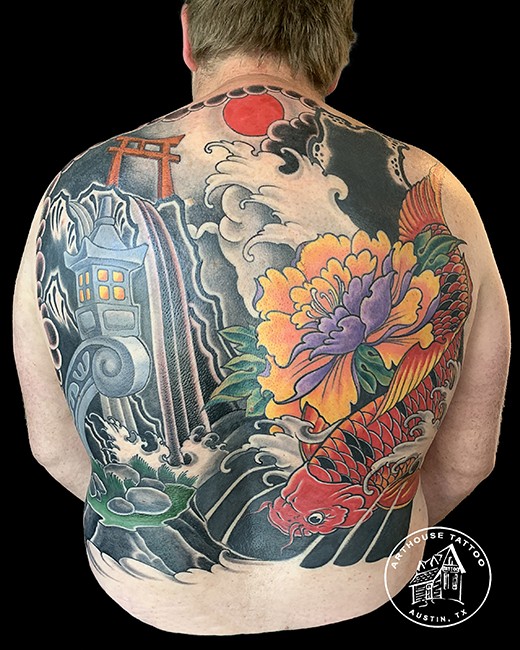
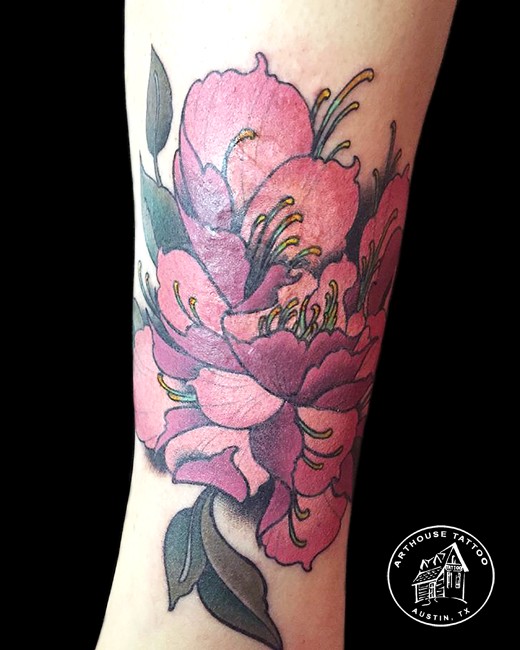
Peonies, with their lush, full blooms, signify wealth, good fortune, and prosperity in Japanese art. These vibrant flowers feature intricate layers of petals that translate beautifully into detailed tattoo work. The peony carries an additional meaning—that great rewards often require great risks, making it a powerful symbol for those who’ve overcome challenges to achieve their dreams.
Chrysanthemums: Symbols of Excellence and Longevity
Chrysanthemums hold royal connections in Japanese culture, linked to the Imperial family and representing perfection, endurance, and longevity. These elegant flowers create striking statements in both traditional and modern tattoo styles, their intricate petal patterns providing endless opportunities for artistic expression.
Exploring Popular Japanese Floral Tattoo Design Styles
The versatility of Japanese floral motifs allows for countless artistic interpretations. From bold traditional work to contemporary minimalist approaches, these designs adapt beautifully to different aesthetic preferences.
Traditional Irezumi: The Art of Full-Body Florals
Traditional Japanese tattooing, or irezumi, often features elaborate floral designs integrated into larger compositions. These tattoos can cover extensive body areas, creating flowing masterpieces across arms, backs, or thighs. Cherry blossoms, chrysanthemums, and peonies interweave skillfully with iconic Japanese symbols like koi fish, dragons, and kanji characters. The combination deepens cultural significance while showcasing the artist’s technical mastery. Those interested in large-scale work often explore sleeve tattoo options that can accommodate these intricate designs.
Minimalist Fine-Line Floral Designs
Minimalist fine-line tattoos offer a subtle approach to Japanese floral motifs. These designs feature delicate outlines and small-scale elements that focus on the flowers’ essential beauty. The versatility of minimalist work allows placement on various body parts—wrists, ankles, behind the ear, or along the collarbone. This style appeals to those seeking personal expression without overwhelming visual impact.
Vibrant Watercolor Floral Tattoos
Contemporary watercolor techniques bring Japanese floral tattoos to life with bold colors and dynamic shading. This modern approach blends traditional Japanese motifs with innovative tattooing methods, creating stunning designs that celebrate both nature’s beauty and artistic skill. Color tattoo techniques have evolved significantly, allowing artists to achieve painterly effects that were once impossible.
Creating Personalized Japanese Floral Compositions
One of the most exciting aspects of Japanese floral tattoos involves combining different elements to create deeply personalized designs. According to research from the Smithsonian Institution, the cultural significance of tattoo symbolism has evolved across centuries, making modern interpretations both historically grounded and personally meaningful.
Incorporating Complementary Elements
Japanese floral tattoos gain additional dimension when combined with other symbolic elements. Birds and butterflies represent freedom and transformation, while dragons and koi fish embody strength, perseverance, and good fortune. Samurai imagery and Japanese kanji add cultural depth and personal significance. Geometric patterns can enhance visual impact while creating contemporary twists on traditional designs. When working with clients on illustration-style tattoos, I often suggest these complementary elements to create cohesive, meaningful pieces.
Understanding Placement and Flow
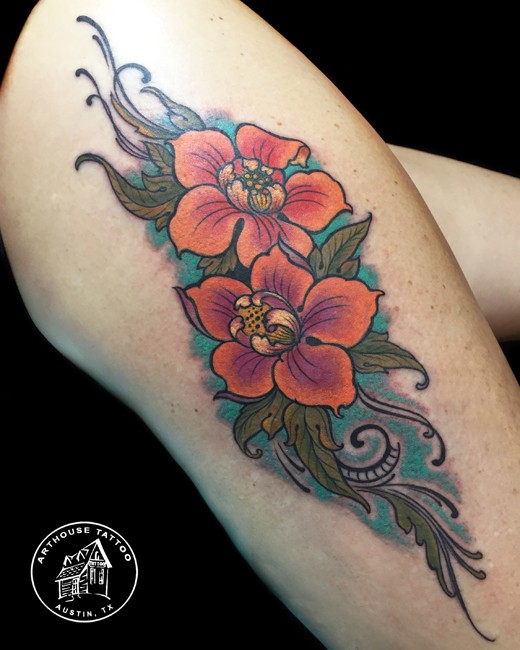
The placement of Japanese floral tattoos significantly impacts their visual effect and symbolic resonance. Traditional irezumi follows the body’s natural contours, creating flowing compositions that move with the wearer. Modern approaches allow more flexibility, but understanding how florals interact with body placement remains crucial for achieving balanced, aesthetically pleasing results.
The Cultural Heritage Behind Japanese Floral Art
Japanese floral tattoos represent more than beautiful artwork—they celebrate a deep cultural appreciation for nature’s beauty and symbolic meaning. In Japanese society, these tattoos serve as powerful forms of self-expression, honoring centuries of artistic heritage. The tradition reflects influences from various historical periods, each contributing unique artistic elements and philosophical perspectives.
While Japanese floral tattoos hold significant cultural meaning, it’s worth noting that tattoos in Japan still carry some social stigma, with many public places maintaining no-tattoo policies. This paradox makes the art form even more interesting—simultaneously celebrated worldwide while remaining somewhat controversial in its country of origin. Understanding this cultural context adds depth to appreciation of these designs.
Final Thoughts
In my honest opinion, the key to a successful Japanese floral tattoo lies in understanding each flower’s symbolism, choosing styles that resonate with your aesthetic preferences, and working with experienced artists who appreciate both traditional techniques and contemporary innovations.
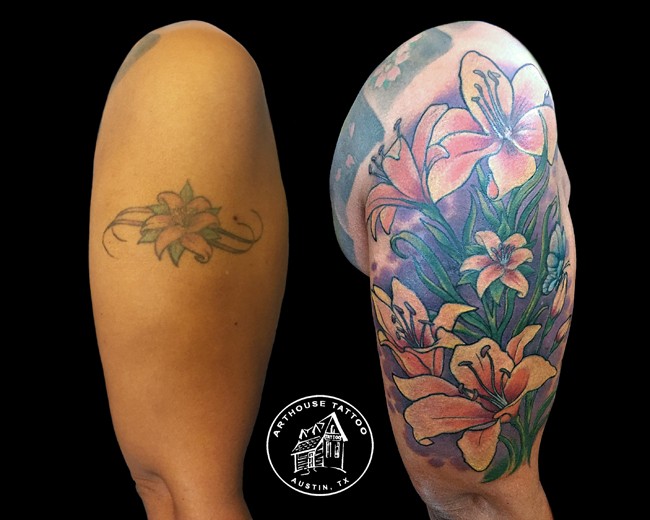
From traditional irezumi to minimalist interpretations and watercolor effects, the possibilities remain virtually endless. For those considering transformative work, exploring cover-up tattoo options with floral designs can breathe new life into existing pieces.
At ArtHouse Tattoo, we’ve spent over 20 years creating Japanese floral tattoos that honor tradition while embracing innovation. Our approach treats each design as collaborative artwork, ensuring your tattoo tells your unique story while celebrating nature’s timeless beauty. Ready to explore how Japanese floral artistry can transform your vision into reality?
Contact us today for a free consultation and let’s create something extraordinary together.
Frequently Asked Questions
What is the most popular Japanese floral tattoo design?
Cherry blossoms (sakura) remain the most popular Japanese floral tattoo design due to their beautiful aesthetic and profound symbolism representing life’s fleeting nature. Lotus flowers and peonies follow closely behind, each offering unique meanings that resonate with different individuals.
How long does a Japanese floral sleeve tattoo take to complete?
A full Japanese floral sleeve typically requires multiple sessions spanning several months to over a year, depending on design complexity, color work, and individual healing rates. Most artists schedule sessions 4-6 weeks apart to allow proper healing between appointments.
Can Japanese floral tattoos be combined with other tattoo styles?
Yes, Japanese floral elements blend beautifully with various tattoo styles, including traditional American, neo-traditional, watercolor, and geometric designs. Skilled artists can create fusion pieces that honor Japanese aesthetic principles while incorporating contemporary techniques.
Do Japanese floral tattoos fade faster than other designs?
Japanese floral tattoos don’t inherently fade faster than other styles. Longevity depends on factors like ink quality, artist technique, placement, sun exposure, and aftercare practices. Bold traditional work often ages exceptionally well, while delicate fine-line designs may require more careful maintenance.
What should I consider when choosing placement for a Japanese floral tattoo?
Consider how the design flows with your body’s natural contours, visibility preferences (professional settings, personal comfort), pain tolerance (some areas hurt more), and future expansion possibilities. Traditional placement follows body symmetry and movement, but modern interpretations allow creative flexibility.
Are there specific colors traditionally used in Japanese floral tattoos?
Traditional Japanese floral tattoos often feature vibrant pinks and reds for cherry blossoms and peonies, purples and whites for lotus flowers, and yellows and oranges for chrysanthemums. However, modern interpretations embrace full color palettes, black and grey work, and watercolor techniques.
How do I properly care for a new Japanese floral tattoo?
Follow your artist’s specific aftercare instructions, which typically include keeping the tattoo clean with mild soap, applying thin layers of recommended ointment, avoiding sun exposure, not soaking in water for 2-3 weeks, and resisting the urge to pick or scratch during healing.