Large Tattoos: Making a Bold Statement with Your Body Art
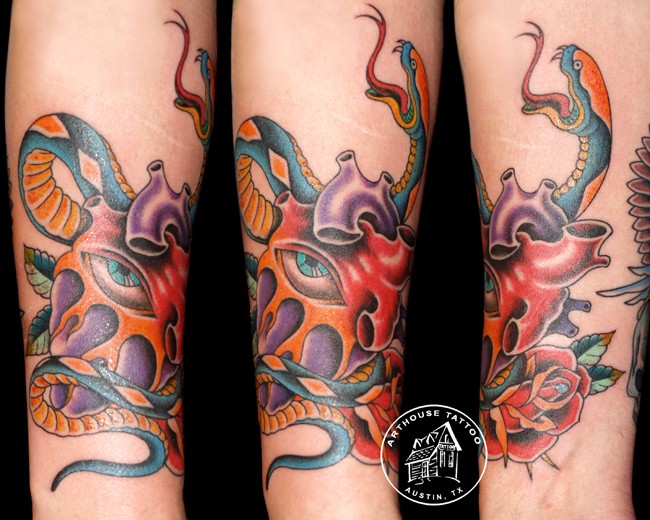
Large tattoos have evolved into powerful forms of personal expression, offering canvas-sized opportunities to showcase intricate artistry and tell meaningful stories through ink. From dramatic blackout tattoos that transform entire limbs to meticulously detailed sleeve designs spanning shoulder to wrist, these bold statement pieces require significant commitment, multiple sessions, and careful planning—but for those ready to make their mark, the artistic payoff is extraordinary. This guide explores the most popular large tattoo styles, design considerations, and what makes these expansive works of body art so compelling for collectors seeking to make a lasting visual impact.
After two decades of creating large-scale custom work, I’ve watched this art form mature from underground statement to mainstream celebration of personal identity. The journey toward custom tattoo excellence starts with understanding what makes large-format designs unique!
Understanding the Appeal of Large-Scale Tattoo Work
Large tattoos offer something smaller pieces simply cannot—the space to develop complex narratives, blend multiple artistic styles, and create cohesive visual stories that flow naturally with your body’s contours. Research shows that approximately 30% of Americans now have at least one tattoo, with 40% choosing designs larger than six inches. This shift reflects changing cultural attitudes about body art as legitimate artistic expression.
The commitment required for large tattoos naturally filters out impulsive decisions. Multiple sessions spanning months or even years create investment in the outcome. This process often transforms the client-artist relationship into genuine collaboration, where each session builds upon previous work to achieve a unified vision.
Blackout Tattoos: Bold Coverage and Dramatic Transformation
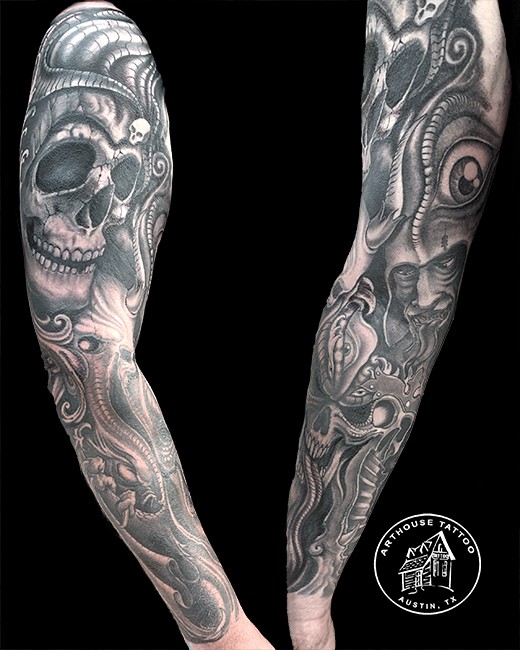
Blackout tattoos represent one of the most striking trends in contemporary body art. These designs use solid black ink to cover substantial skin areas, creating bold visual statements that command attention. The technique differs fundamentally from traditional tattooing because it prioritizes coverage over detail, transforming entire sections of the body into blank canvases that can later incorporate negative space designs or remain as pure statements of minimalist expression.
The Technical Challenge of Solid Black Coverage
Creating truly solid blackout work demands exceptional technical skill. Artists must layer ink carefully to achieve uniform saturation without creating texture variations or healing inconsistencies. The process typically requires multiple passes and longer healing times compared to traditional tattoo work.
About 30% of people choosing blackout tattoos do so to cover existing tattoos that no longer serve them. The solid black provides a complete reset, either as the final design or as preparation for future negative space artwork that uses untouched skin to create patterns within the black field.
Design Variations Within Blackout Style
Modern blackout work has evolved beyond simple solid coverage. Artists now incorporate several advanced techniques including negative space designs that use strategic areas of natural skin tone to create shapes and patterns, white ink accents that add highlights and dimensional effects, geometric patterns that bring structure to solid black areas, and dotwork or linework that creates texture within the coverage.
These variations demonstrate how blackout style continues evolving as artists push creative boundaries while respecting the technical demands of solid coverage work.
Sleeve Tattoos: The Ultimate Canvas for Artistic Expression
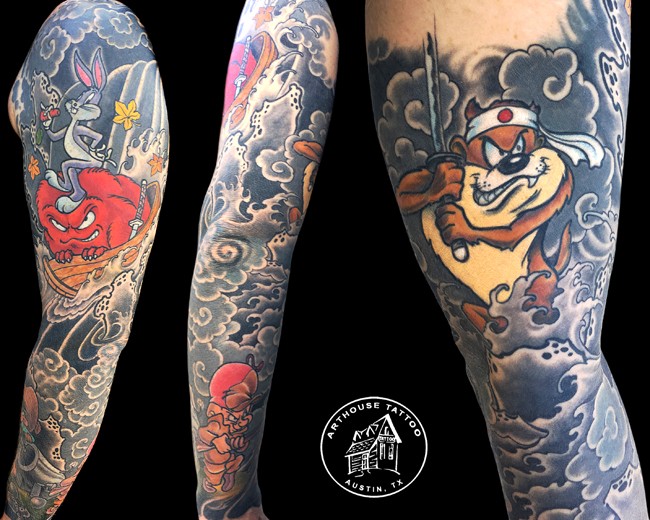
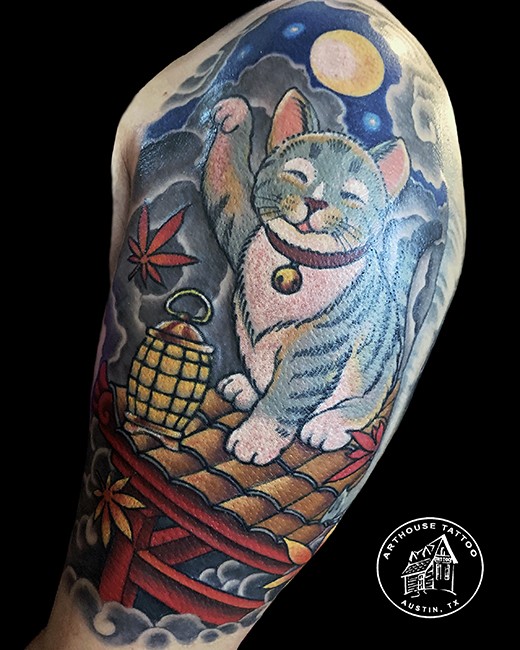
Sleeve tattoos represent perhaps the most recognizable form of large-scale body art. Whether covering the full arm from shoulder to wrist or creating a half-sleeve from shoulder to elbow, these designs offer expansive surfaces for detailed, flowing artwork that moves with your body.
Planning Your Sleeve: Key Considerations
Successful sleeve development requires careful consideration of several factors. The overall theme and artistic direction should feel cohesive rather than random, even if the design incorporates multiple elements. Color versus black and grey becomes a critical early decision, affecting both the visual impact and long-term maintenance requirements.
Placement matters tremendously for sleeve work. The design should flow naturally around the arm’s contours, accounting for how muscles shift with movement. Japanese style tattoos exemplify this principle beautifully, with traditional compositions specifically designed to complement arm anatomy.
Consider how the sleeve will integrate with existing tattoos or future plans for connected pieces. Many collectors develop their body art over years, with each new addition building toward a larger vision.
Popular Sleeve Tattoo Styles and Approaches
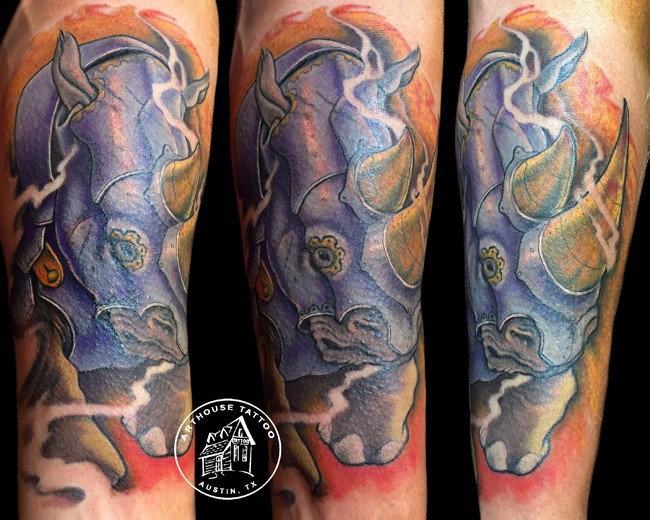
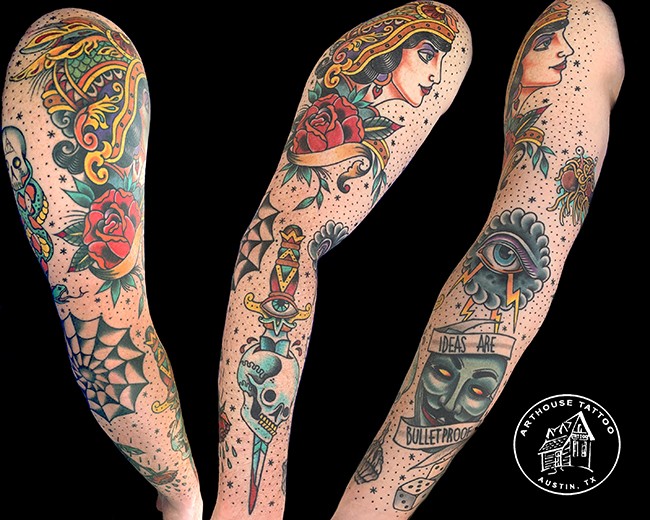
Sleeve designs typically fall into several distinct style categories. Realistic portraiture creates lifelike representations of people, animals, or detailed scenes. Traditional American style uses bold lines, limited color palettes, and iconic imagery drawn from classic tattoo heritage. Neo-traditional work modernizes these classic approaches with expanded color options and contemporary subject matter.
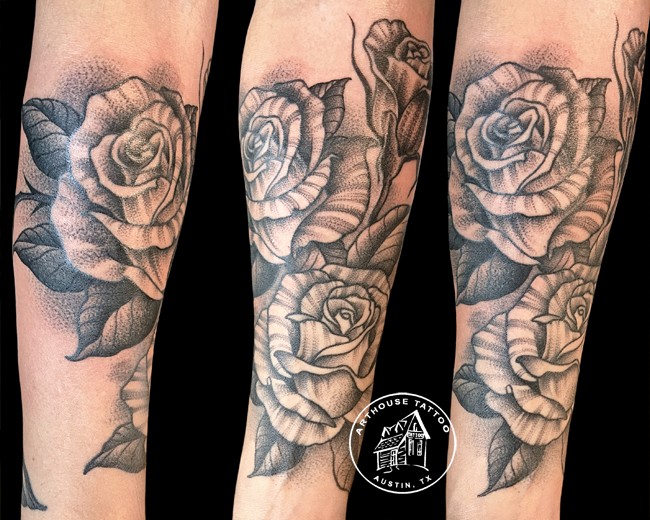
Watercolor techniques create flowing, paint-like effects that blur the boundaries between tattooing and fine art. Blackwork geometric patterns use mathematical precision to create striking visual effects through shape repetition and negative space.
The most successful sleeves often blend multiple styles rather than adhering rigidly to single approaches. An artist with deep knowledge of tattoo history and diverse style mastery can create unique syntheses that reflect the wearer’s personality while maintaining artistic coherence.
The Commitment Behind Large Tattoo Projects
Large tattoos demand more than financial investment—they require significant time commitment across multiple sessions. A full sleeve typically requires 15-30 hours of work, while blackout pieces covering substantial areas may need similar or greater time investment depending on size and complexity.
Between sessions, proper healing becomes paramount. Following detailed aftercare protocols ensures each layer of work heals properly before adding more, protecting your investment and ensuring optimal color retention and clarity in the finished piece.
Pain management also factors into large project planning. Different body areas have varying sensitivity levels, and sitting for extended sessions requires mental preparation alongside physical endurance. Experienced artists understand these challenges and can structure session lengths to balance progress against client comfort.
Making Your Large Tattoo Vision Reality
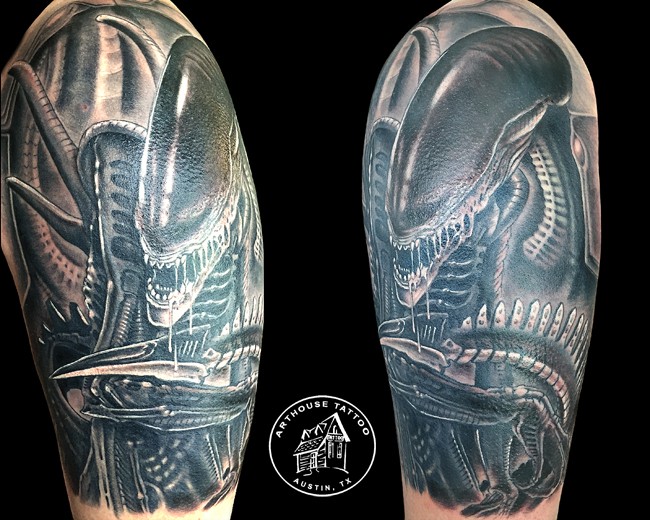
Large-scale tattoo work represents collaboration between client vision and artist expertise. The process begins with thorough consultation where ideas get refined into workable designs. This planning phase proves crucial for successful outcomes—rushing into large pieces without adequate preparation often leads to regret.
According to recent industry analysis, about 60% of people aged 18-34 view tattoos primarily as self-expression tools. This perspective shift has elevated expectations for custom work that genuinely reflects individual stories rather than generic designs pulled from flash books or internet searches.
When selecting an artist for large-scale work, prioritize experience with the specific style you’re seeking. Review artists’ backgrounds and examine their portfolios for evidence they can execute the vision you’re imagining. Black and grey specialists bring different strengths than color artists, while some excel at blending approaches.
Final Thoughts
Large tattoos make statements that smaller pieces simply cannot match. Whether you’re drawn to the dramatic impact of blackout work or the intricate storytelling potential of sleeve designs, these expansive canvases offer opportunities to create truly unique personal art.
The key to successful large-scale tattooing lies in finding the right artist-client partnership. Look for artists who take time understanding your vision, offer honest feedback about what will work best for your body and lifestyle, and demonstrate technical mastery in their portfolios.
At ArtHouse Tattoo, we specialize in creating personalized large-scale work that reflects each client’s unique story and aesthetic preferences. Our two decades of experience crafting custom designs means we can help navigate the planning process, from initial concept through final session. Ready to explore what’s possible with your large tattoo vision? Contact us for a free consultation where we can discuss your ideas and develop a plan to bring them to life.
Frequently Asked Questions
How long does it take to complete a full sleeve tattoo?
A full sleeve typically requires 15-30 hours of work spread across multiple sessions, usually 4-8 appointments depending on design complexity and detail level. The process can span several months to allow proper healing between sessions. Half sleeves generally require 10-15 hours, while quarter sleeves take 5-8 hours to complete.
Are blackout tattoos more painful than traditional tattoos?
Blackout tattoos can be more uncomfortable because they require covering large areas with solid ink, involving more passes over the same skin. Pain levels vary based on placement—areas with less fat and muscle padding (like ankles, ribs, or inner arms) tend to be more sensitive. However, pain tolerance is highly individual and many clients report the discomfort as manageable.
Can I add to a large tattoo over time or does it need to be completed all at once?
Large tattoos are almost always completed over multiple sessions rather than in one sitting. This approach allows proper healing between appointments and gives both artist and client time to evaluate progress. Many people develop their large-scale work over months or even years, with some adding connected pieces as their vision evolves.
How do I choose between black and grey or color for my sleeve tattoo?
Black and grey work offers timeless elegance, tends to age more gracefully, and works well for realistic portraits or traditional designs. Color provides vibrant visual impact and allows for more diverse artistic expression but may require more frequent touch-ups over time. Consider your lifestyle, workplace dress codes, personal aesthetic preferences, and long-term maintenance commitment when deciding.
What’s the cost difference between large tattoos and smaller pieces?
Large tattoos typically cost significantly more due to the time investment required—most professional artists charge hourly rates ranging from $150-300+ depending on experience and location. A full sleeve might cost $1,500-4,000 or more, while blackout coverage for substantial areas can run similar amounts. Many studios offer package pricing for large projects, and quality should always take priority over finding the cheapest option.
Will my large tattoo design need touch-ups over the years?
All tattoos fade gradually over time due to sun exposure, aging skin, and normal wear. Large tattoos with solid color work may need touch-ups every 5-10 years to maintain vibrancy, while black and grey work tends to hold up longer. Protecting tattoos with sunscreen, moisturizing regularly, and following aftercare guidelines significantly extends the time between needed touch-ups.
How do I prepare for long tattoo sessions required for large pieces?
Get adequate sleep the night before, eat a substantial meal 1-2 hours prior to your appointment, stay well-hydrated, and avoid alcohol or blood thinners for 24 hours before the session. Bring snacks and drinks for breaks during longer appointments. Wear comfortable clothing that provides easy access to the tattoo area. Many people find bringing headphones or reading material helps pass time during extended sessions.