Illustration Tattoos: Turning Drawings into Body Art
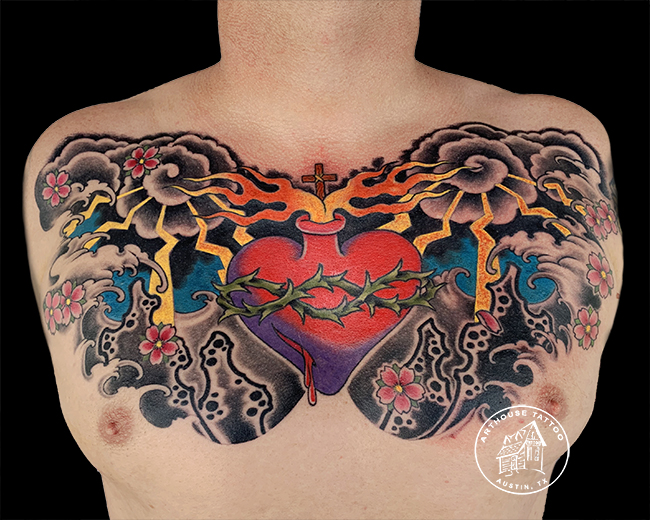
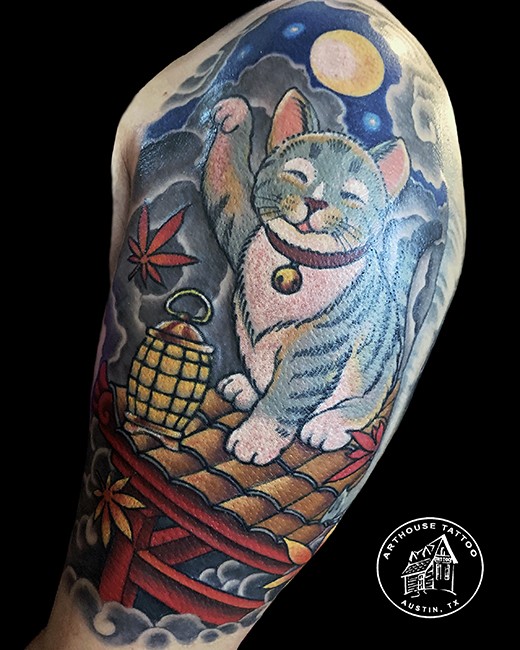
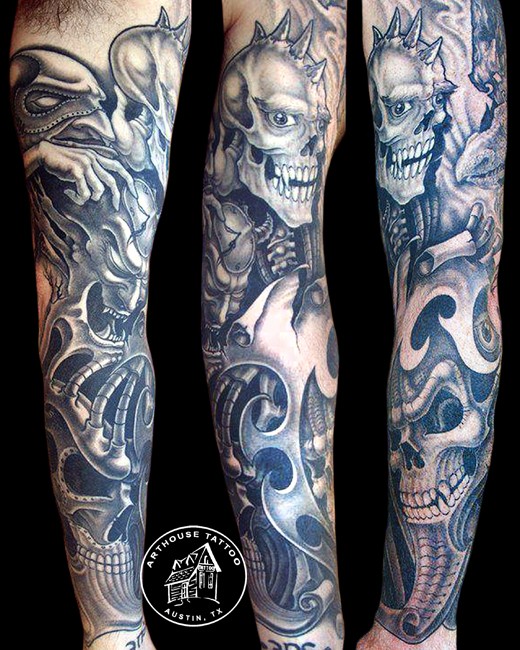
Illustration tattoos represent one of the most captivating forms of body art, transforming simple drawings into stunning, wearable masterpieces. These custom tattoos blend traditional artistic techniques with modern tattooing expertise, creating pieces that feel like hand-drawn sketches permanently etched onto skin.
At ArtHouse Tattoo, we’ve witnessed how illustration tattoos serve as powerful canvases for personal expression, allowing clients to wear their stories and artistic visions with pride!
In my opinion, what sets illustration tattoos apart is their distinctive “hand-drawn” aesthetic that captures the organic feel of pencil on paper. Unlike photorealistic tattoos, illustration tattoos embrace the artistic process itself—celebrating visible linework, cross-hatching, stippling, and beautiful imperfections that make each piece uniquely human. This versatile style can accommodate virtually any artistic vision while maintaining its characteristic charm and authenticity.
The Artistic Heritage Behind Illustration Tattoos
The roots of illustration tattooing stretch back thousands of years, drawing from humanity’s oldest forms of artistic expression!
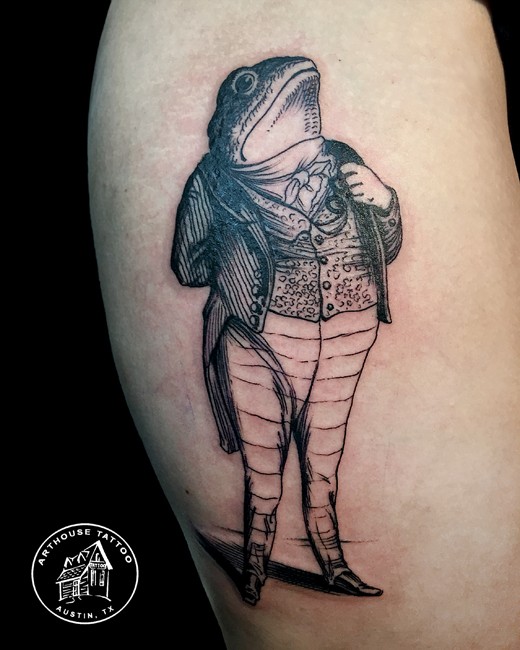
Renaissance masters like Albrecht Dürer and Francisco Goya perfected etching and engraving techniques that directly influence contemporary illustration tattoos. Their use of cross-hatching, stippling, and varied line weights to create depth became foundational elements of the illustrative style!
Our Austin tattoo artists today still employ these classical techniques, adapting centuries-old artistic methods for modern skin canvases! The 20th century brought further evolution through German Expressionism and Abstract Expressionism, with artists like Egon Schiele and Picasso demonstrating how simple lines could convey complex emotions.
Japanese artistic traditions have also profoundly influenced illustration tattooing worldwide. The graceful quality of calligraphic brushwork and bold outlines characteristic of Ukiyo-e prints continue to inspire modern tattoo artists, bringing concepts of negative space and symbolic storytelling to contemporary designs.
Distinctive Techniques That Define the Style
Linework and Cross-Hatching
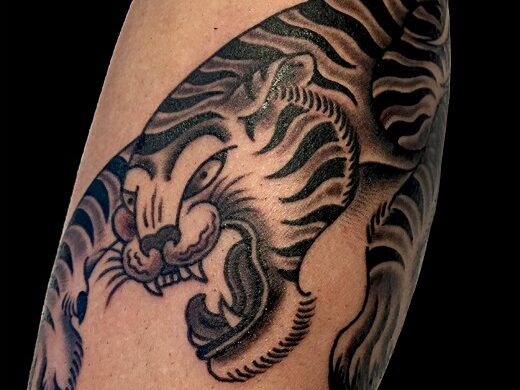
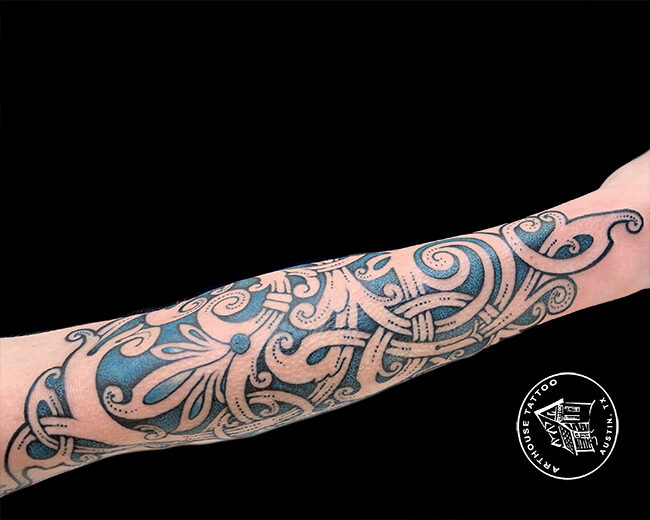
The foundation of exceptional illustration tattoos lies in masterful linework. Cross-hatching—creating shadows through intersecting lines—serves as one of the most recognizable characteristics. Artists employ various line weights to create visual hierarchy, with thick outlines defining major elements while delicate lines add intricate details.
Stippling and Dotwork Integration
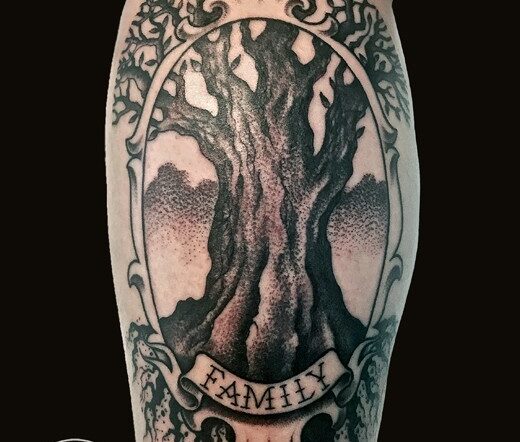
Stippling adds another dimension through carefully placed dots that create gradients and textures. When combined with traditional linework, this technique produces stunning atmospheric effects and organic textures like tree bark or weathered surfaces.
Sketch-Like Gestural Quality
What truly distinguishes illustration tattoos is their embrace of the artistic process itself. Rather than hiding construction lines, these tattoos celebrate visible guidelines and gestural marks as integral parts of the design, preserving the artist’s hand and personality.
Popular Themes and Creative Possibilities
Botanical and Nature-Inspired Designs
Botanical illustration tattoos celebrate intricate plant beauty through detailed linework that captures every leaf vein and petal curve. Popular themes include wildflower bouquets, medicinal herbs, and towering trees, often chosen for personal significance like wedding flowers or meaningful family gardens.
Literary and Storytelling Elements
The hand-drawn quality creates natural synergy with book illustrations. Literary tattoos might feature flowing script with decorative borders, character portraits, or symbolic elements representing entire stories through creative interpretation rather than literal representation.
Architectural and Urban Landscapes
Precise linework makes illustration tattoos ideal for architectural subjects. City skylines, historic buildings, and urban landscapes translate beautifully, often incorporating technical drawing elements while maintaining hand-drawn warmth.
The Creative Process: From Vision to Reality
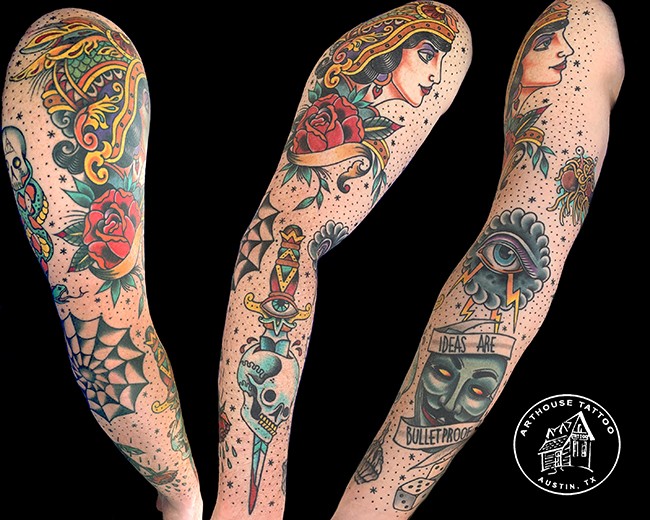
Creating exceptional illustration tattoos begins with collaborative consultation. At ArtHouse Tattoo, our custom tattoo consultation process emphasizes partnership between artist and client to develop truly personalized designs that tell meaningful stories.
My design development phase involves multiple sketches as artists explore different approaches. Reference gathering plays a crucial role, with many artists studying classical etchings, contemporary graphics, or botanical illustrations to inform their technique while serving the client’s unique vision!
Technical Execution and Artistic Mastery
The transition from paper to skin requires complex, multi-layered stencils that capture intricate linework essential to the style. Fine liner needles create delicate details and cross-hatching, while the tattooing process mirrors traditional illustration techniques through careful, methodical layering.
The detailed nature often requires longer sessions, but many clients find the process meditative. Watching their illustration tattoo develop line by line creates unique connection to the artistic process, making the journey part of the artwork’s story.
Caring for Your Artistic Investment
Fine linework requires particularly careful attention during healing. Following your artist’s aftercare instructions becomes crucial for maintaining crisp appearance. The natural aging process can actually enhance the hand-drawn aesthetic, though periodic touch-ups may benefit detailed areas.
Cover-Up Possibilities and Transformations
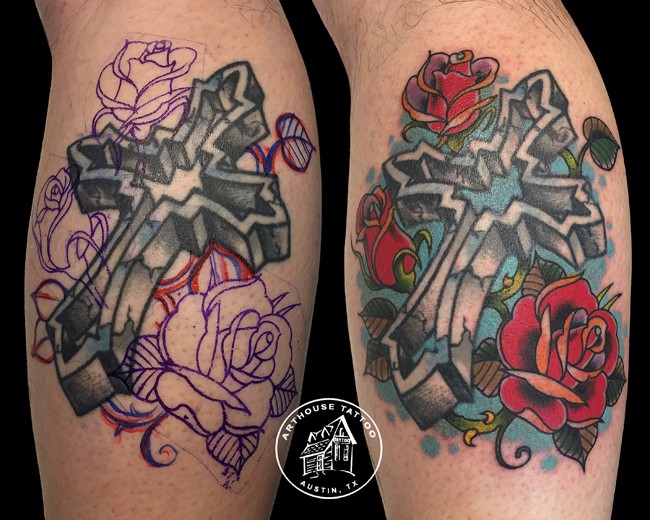
The versatile nature makes illustration tattoos excellent for cover-up tattoos. The style’s emphasis on bold linework and creative composition provides numerous options for incorporating existing work. Our team specializes in cover-up solutions that transform unwanted tattoos into stunning illustration pieces.
Your Artistic Journey Awaits
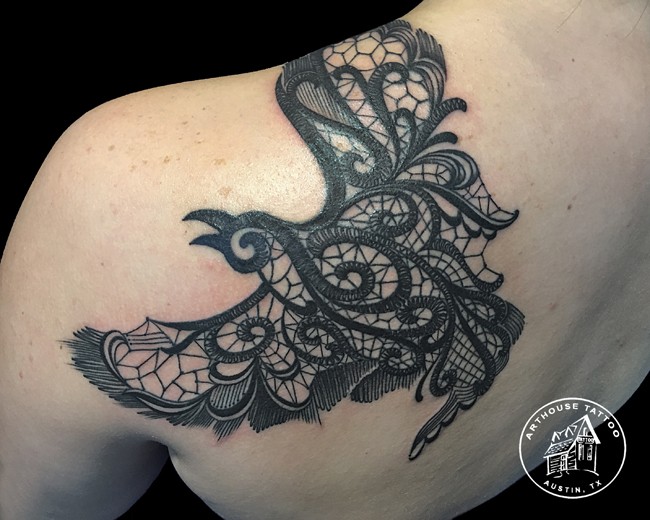
Illustration tattoos represent the perfect marriage of traditional artistic techniques and contemporary self-expression. These remarkable pieces transform the human body into a canvas for personal storytelling, celebrating both the artistic process and individual narratives that make each design unique!
Whether you’re drawn to delicate botanical studies, bold graphic narratives, or intricate architectural renderings, illustration tattoos offer endless creative possibilities. The style’s emphasis on hand-drawn authenticity ensures each piece becomes truly personal artwork!
Ready to explore illustration tattoos? Contact ArtHouse Tattoo today to schedule your free consultation. Let’s transform your vision into stunning wearable art that celebrates your unique story and artistic sensibilities.
Frequently Asked Questions About Illustration Tattoos
What makes illustration tattoos different from other tattoo styles?
Illustration tattoos are distinguished by their hand-drawn aesthetic that mimics pencil or ink sketches on paper. They celebrate visible linework, cross-hatching, stippling, and artistic imperfections, unlike photorealistic tattoos that aim for exact image replication.
How long do illustration tattoos take to complete?
Illustration tattoos often require longer sessions or multiple appointments due to their detailed linework and intricate techniques. Session length depends on size and complexity, with larger pieces potentially requiring several appointments to complete properly.
Are illustration tattoos good for cover-ups?
Yes, illustration tattoos are excellent for cover-ups. Their emphasis on bold linework, creative composition, and artistic interpretation provides numerous options for incorporating or concealing existing tattoo work while creating cohesive new designs.
What subjects work best for illustration tattoos?
Popular subjects include botanical designs, literary themes, architectural elements, and personal storytelling imagery. The versatile style accommodates virtually any concept, from delicate nature studies to bold graphic narratives.
Do illustration tattoos require special aftercare?
The fine linework in illustration tattoos requires particularly careful attention during healing. Following your artist’s aftercare instructions is crucial for maintaining crisp lines and preserving the detailed artistic elements.
How do I choose the right artist for an illustration tattoo?
Look for artists with strong portfolios showing line quality consistency and artistic vision. The best illustration tattoo artists often have backgrounds in traditional art forms like drawing, printmaking, or graphic design.
What techniques are used in illustration tattoos?
Key techniques include varied linework, cross-hatching for shadows and depth, stippling with carefully placed dots, and sketch-like gestural marks that preserve the hand-drawn aesthetic and artistic process.